Tell us about the job
Takes about a minute. No obligation.
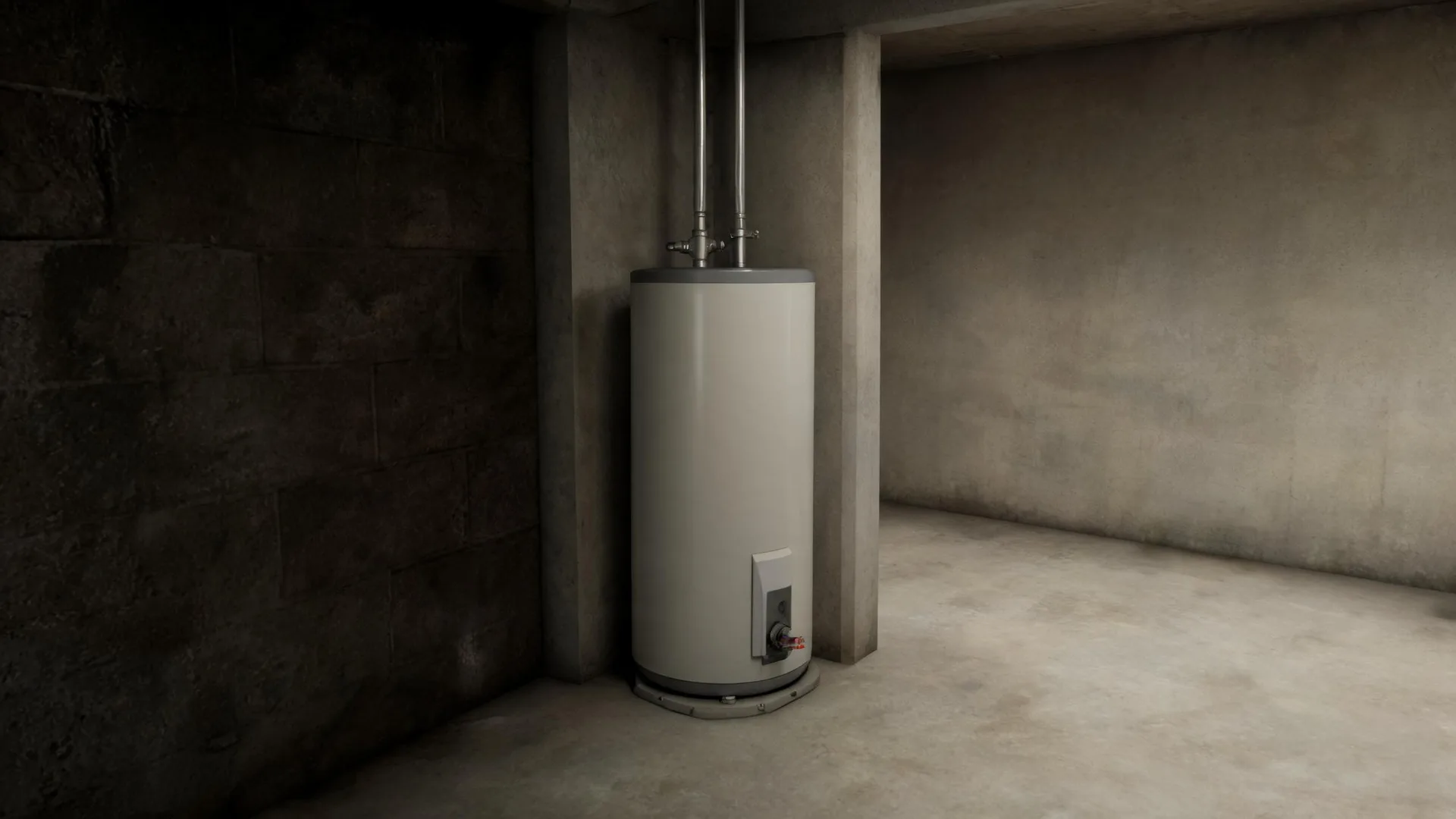
Oil and kerosene water heaters put specific wear on components that gas or electric units never touch: the burner nozzle, the combustion chamber, and the flue. Fuel oil or kerosene heats more occupied homes in Grafton County, New Hampshire than any other fuel, at 43.2% (2020-2024 ACS 5-year). A contractor repairing a unit here checks nozzle condition and flue draw before anything else, because soot buildup and nozzle degradation are what this fuel produces over time. The tank itself may look fine while the burner assembly is the actual source of lost efficiency or shutdown.
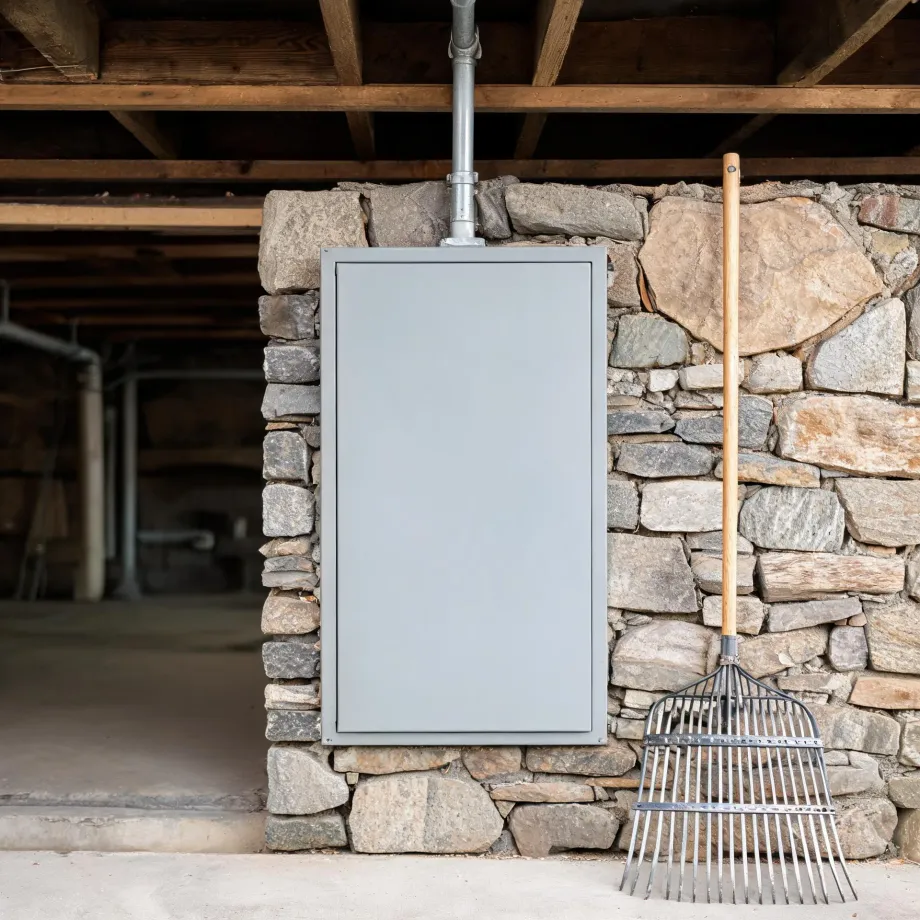
Water heaters in older housing tend to carry the full history of whatever has been done to the plumbing around them: replaced lines running into original connections, venting that was rerouted once or twice, sediment that has had generations to settle. Half the homes in Grafton County, New Hampshire were built in 1981 or earlier (2020-2024 ACS 5-year). A contractor opening a unit in stock like this finds the repair scope is often set by those surrounding conditions rather than the failed component alone. Corroded inlet fittings or a compromised flue can change both what parts get ordered and how long the job runs.
The Parts of a Water Heater a Contractor Checks First
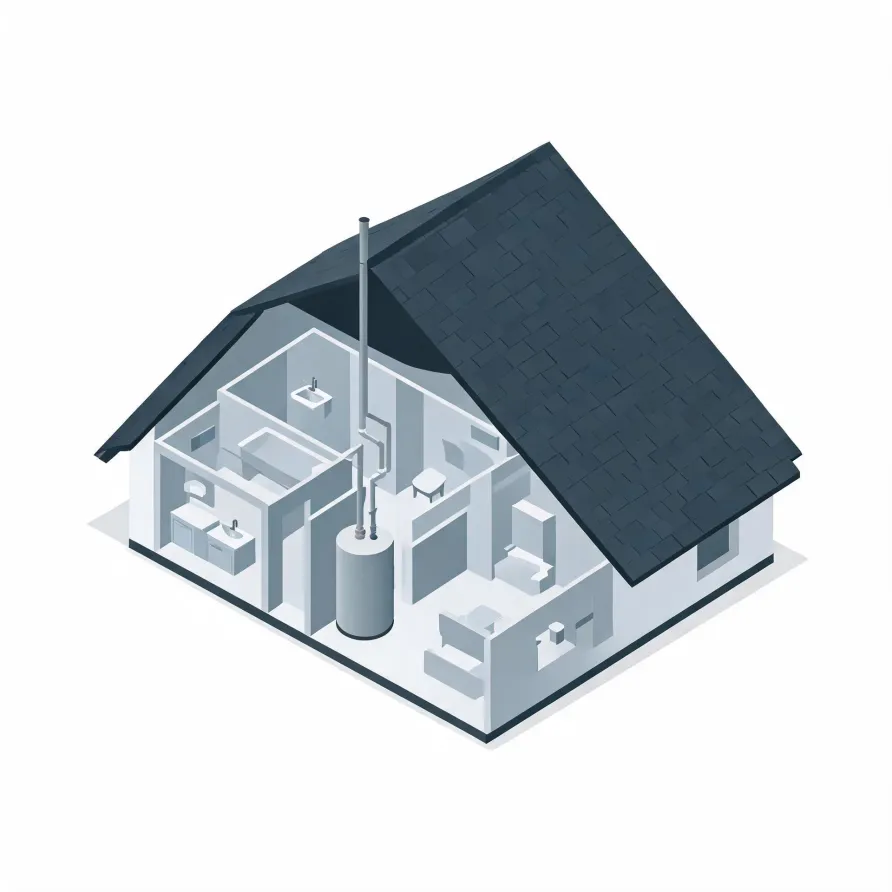
The tank is the piece a homeowner notices first, a large insulated vessel that sits in the basement, utility room, or garage and holds water at a set temperature. Attached to it are the heating elements or burner assembly, which do the actual heating, and the thermostat, which tells them when to run. When any of these fails, the symptom shows up fast: no hot water, water that is too hot, or a tank that runs constantly.
The pressure relief valve mounts directly on the tank and releases if pressure or temperature climbs too high. A contractor also checks the anode rod inside the tank, the cold-water inlet and hot-water outlet connections at the top, and the flue or venting path on gas units that carries combustion gases out of the house.
The drawing shows a typical layout, and a licensed contractor will assess exactly which components apply to the unit in your home.
Find a contractor in Grafton CountyGrafton County by the Numbers
242 severe weather events were recorded in Grafton County, New Hampshire between 2015 and 2024.
NOAA National Centers for Environmental Information, Storm Events Database, bulk CSV export, events 2015-01-01 through 2024-12-31.Half the homes in Grafton County, New Hampshire were built in 1981 or earlier (2020-2024 ACS 5-year).
U.S. Census Bureau, 2020-2024 American Community Survey 5-Year EstimatesGrafton County, New Hampshire holds 51,920 housing units (2020-2024 ACS 5-year).
U.S. Census Bureau, 2020-2024 American Community Survey 5-Year EstimatesOwners occupy 71.3% of the occupied homes in Grafton County, New Hampshire (2020-2024 ACS 5-year).
U.S. Census Bureau, 2020-2024 American Community Survey 5-Year EstimatesSevere Weather Events in Grafton County
Extreme weather puts real stress on water heaters, forcing them to work harder and wear faster than they would under mild conditions. How much of that pressure a unit absorbs depends on where it sits, which makes local weather history a practical part of understanding repair demand in Grafton County.
242 severe weather events, 2015–2024. Source: NOAA National Centers for Environmental Information, Storm Events Database.