Tell us about the job
Takes about a minute. No obligation.
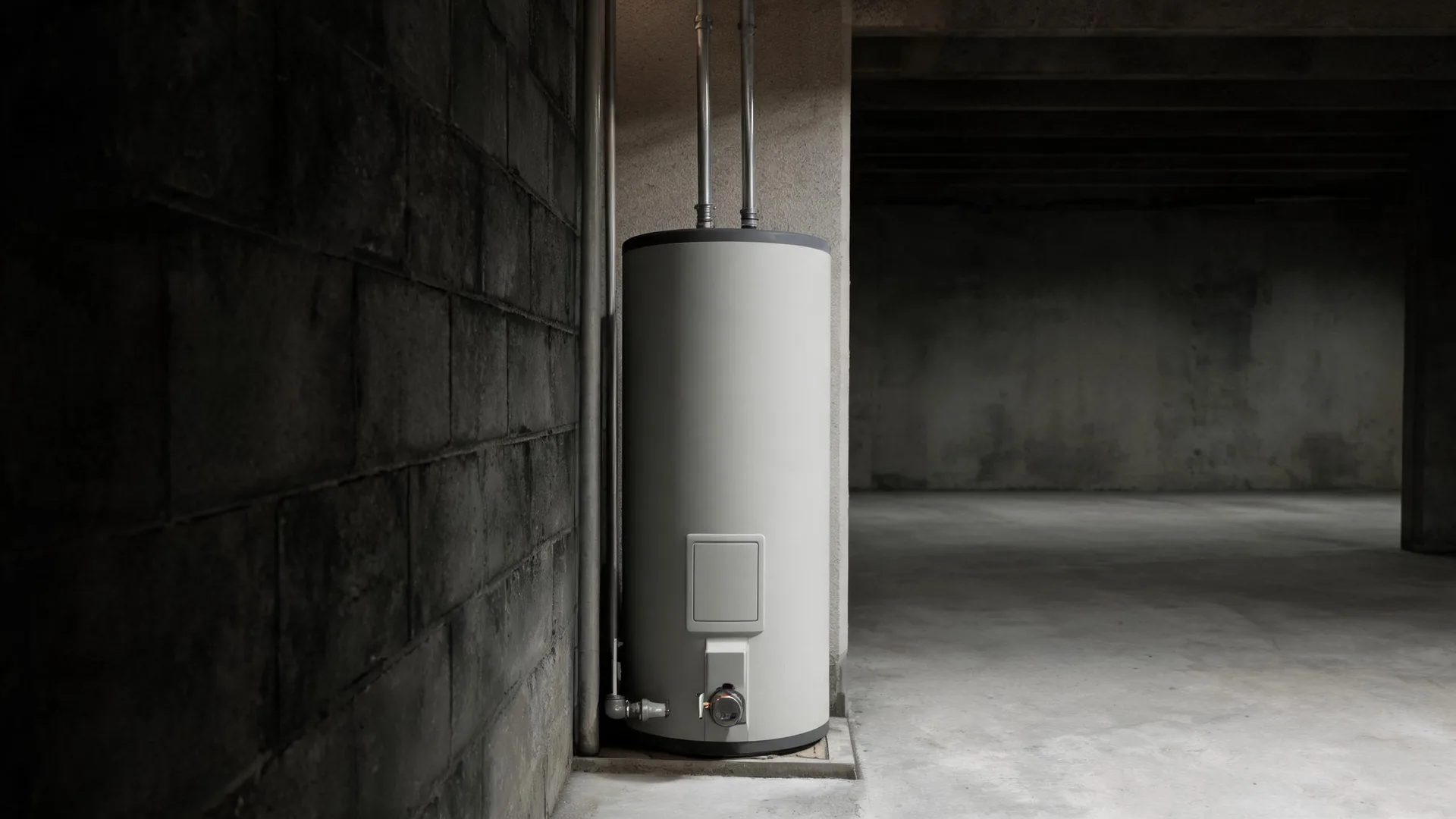
Oil and kerosene water heaters carry specific failure modes that a contractor has to trace before the repair scope is clear. Fuel oil or kerosene heats more occupied homes in Coos County, New Hampshire than any other fuel, at 68.0% (2020-2024 ACS 5-year). A burner that has been firing through repeated heating cycles accumulates carbon and scale in ways that electric or gas equipment does not, and the heat exchanger takes the same repeated thermal stress. When a unit starts losing recovery or throwing fault codes, the contractor checks fuel delivery, nozzle condition, and combustion air supply first, because those are the components the fuel type actually loads. A venting problem or an air restriction shows up in combustion residue, and misreading it leads to replacing parts that were working fine.
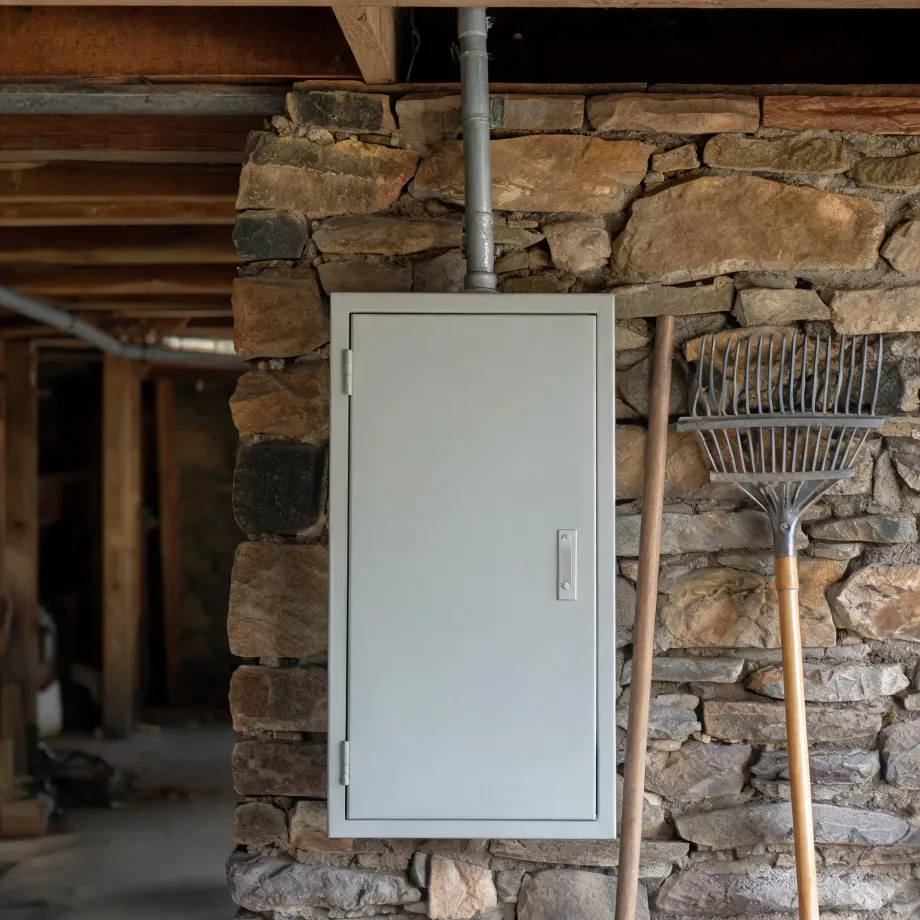
Half the homes in Coos County, New Hampshire were built in 1969 or earlier (2020-2024 ACS 5-year). A water heater sitting in a house that old has almost certainly outlasted the original unit it replaced, which means the sediment history, the anode rod condition, and the state of the connections are all products of what previous equipment left behind as much as what the current one has done. When a contractor opens the system, what they find sets the repair scope in a way the model number on the outside does not. Parts availability for the unit actually in the house is a separate question from parts availability for a current model of the same brand, and that gap is where a repair either closes quickly or expands.
The Parts of a Water Heater a Contractor Checks First
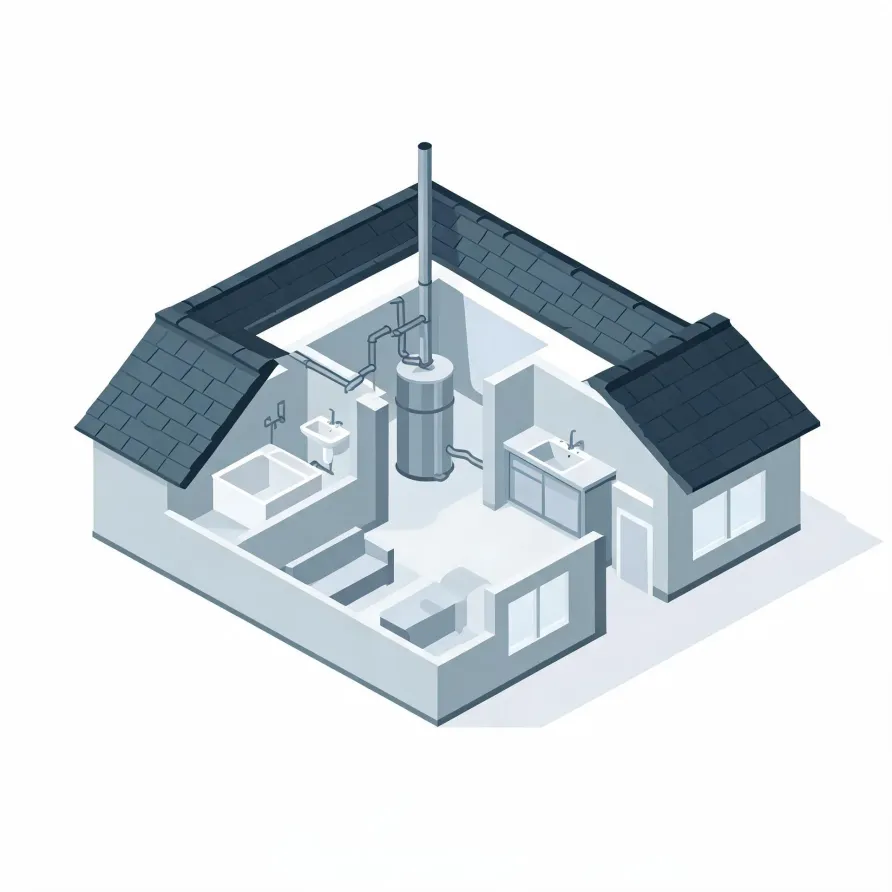
The tank is the piece a homeowner notices first, usually sitting in a utility closet, basement, or garage. It holds and heats the water supply for the house. When a repair call comes in, a contractor looks at the tank itself for signs of corrosion or pressure problems, then moves to the burner assembly or heating element depending on whether the unit runs on gas or electricity.
The thermostat controls the target temperature and sits directly on or inside the unit. The pressure relief valve mounts on the side of the tank and opens if internal pressure climbs too high. The anode rod runs down through the top of the tank and slows corrosion from the inside. Each of these is a place a contractor checks when the system is not performing as it should.
The drawing shows the general layout of these parts, and a licensed contractor determines what applies to the specific unit and setup in your home.
Find a contractor in Coos CountyCoos County, by the numbers
184 severe weather events were recorded in Coos County, New Hampshire between 2015 and 2024.
NOAA National Centers for Environmental Information, Storm Events Database, bulk CSV export, events 2015-01-01 through 2024-12-31.Half the homes in Coos County, New Hampshire were built in 1969 or earlier (2020-2024 ACS 5-year).
U.S. Census Bureau, 2020-2024 American Community Survey 5-Year EstimatesCoos County, New Hampshire holds 20,637 housing units (2020-2024 ACS 5-year).
U.S. Census Bureau, 2020-2024 American Community Survey 5-Year EstimatesOwners occupy 74.2% of the occupied homes in Coos County, New Hampshire (2020-2024 ACS 5-year).
U.S. Census Bureau, 2020-2024 American Community Survey 5-Year EstimatesSevere Weather Events in Coos County
Extreme weather puts real stress on water heaters, pushing them through hard cycles of demand that accelerate wear and surface repair needs faster than ordinary use would. How much of that pressure a unit faces depends on local conditions, which is why the pattern for Coos County matters when sizing up the repair picture.
184 severe weather events, 2015–2024. Source: NOAA National Centers for Environmental Information, Storm Events Database.