Tell us about the job
Takes about a minute. No obligation.
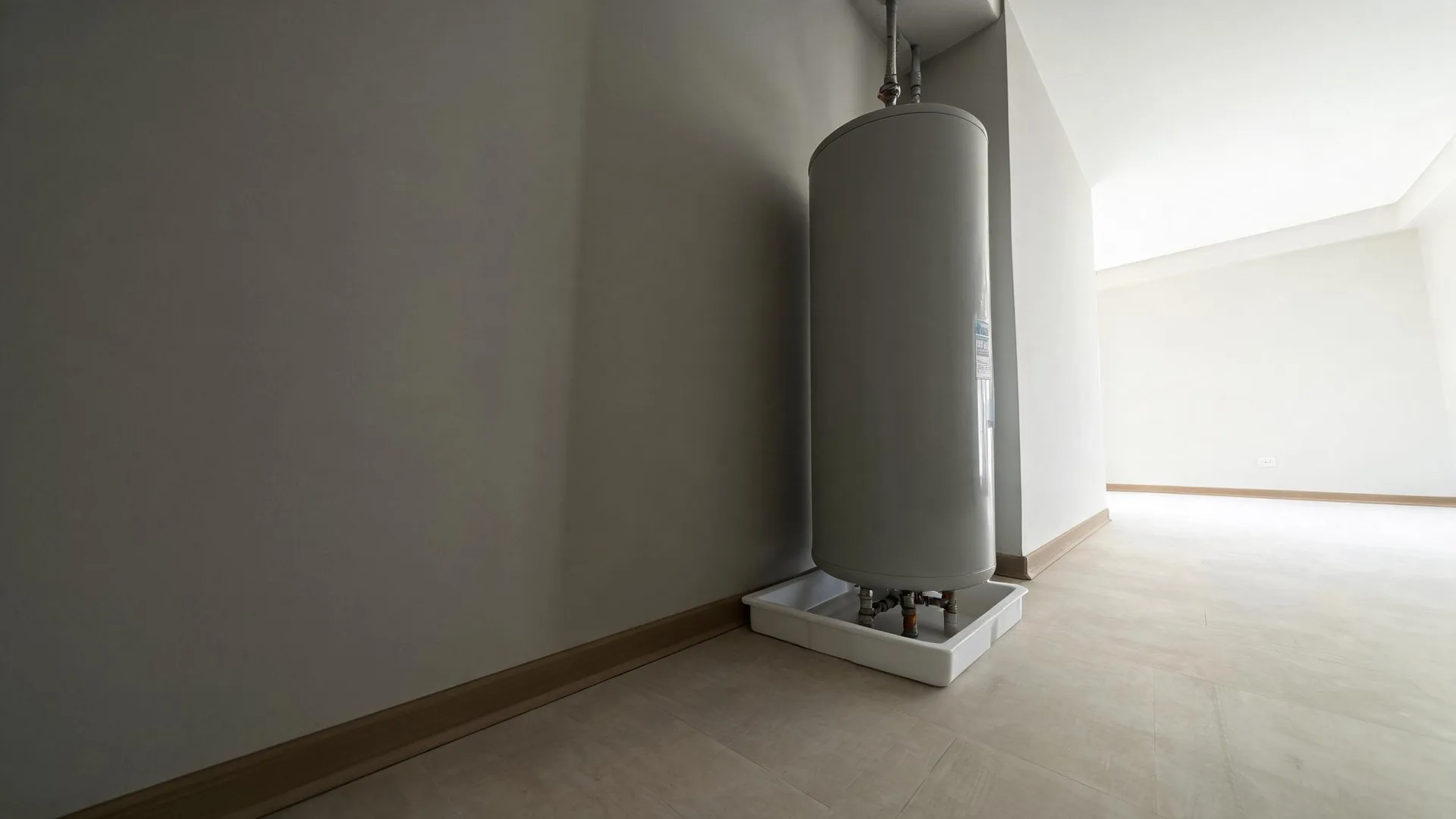
Oil and kerosene burners cycle hard every time a tank calls for heat, and the ignition system, the heat exchanger, and the flue path all absorb that load over years of use. Fuel oil or kerosene heats more occupied homes in Cheshire County, New Hampshire than any other fuel, at 57.1% (2020-2024 ACS 5-year). A contractor working a repair here checks the burner and combustion chamber before moving to anything else, because sediment buildup, delayed ignition, and heat exchanger fatigue are the failure modes this fuel produces. Venting also matters: an oil-fired unit cannot share a flue arrangement suited to gas, and a repair that ignores the vent condition solves only part of the problem.
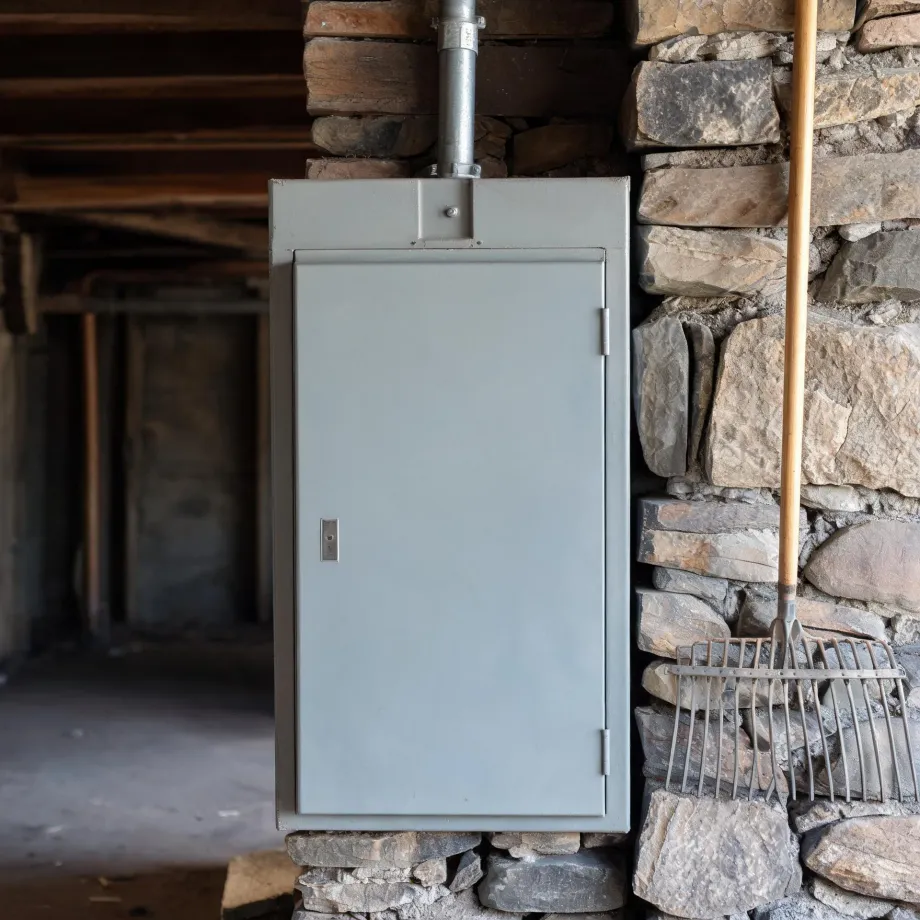
Sediment buildup, failed heating elements, and corroded connections are what contractors find once a unit is open in this part of New Hampshire, and whether the parts that system takes are still in production is the question that shapes the repair bill. Half the homes in Cheshire County, New Hampshire were built in 1972 or earlier (2020-2024 ACS 5-year). Houses built in that era were fitted with equipment long since discontinued, and the lines of replacement parts for what succeeded it have also thinned. A contractor sourcing components for a water heater in a house this age spends real time confirming availability before a quote can close.
The Parts of a Water Heater a Contractor Checks During a Repair
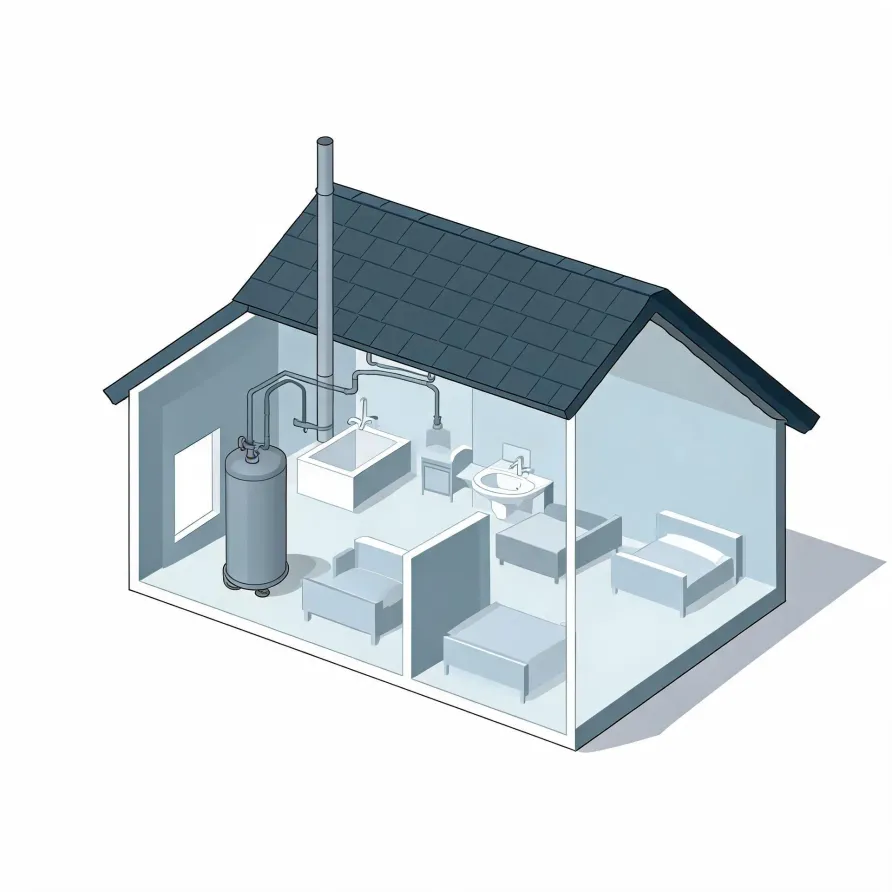
The tank is what most homeowners see first, a large insulated vessel that sits in a utility room, basement, or closet and holds the water until a tap opens. Attached to it are the heating elements or burner assembly, which are the pieces that actually raise the water temperature and are among the first things a contractor looks at when hot water is absent or inconsistent.
The pressure relief valve mounts directly on the tank and releases if internal pressure climbs too high. The anode rod hangs inside the tank and slows corrosion of the tank walls. Feeding all of it are cold-water inlet and hot-water outlet lines, along with a drain valve near the base that a contractor uses to access and inspect the interior.
The drawing shows the general layout of a water heater system, and a licensed contractor determines which parts apply and what condition they are in for your specific home.
Find a contractor in Cheshire CountyCheshire County, by the record
247 severe weather events were recorded in Cheshire County, New Hampshire between 2015 and 2024.
NOAA National Centers for Environmental Information, Storm Events Database, bulk CSV export, events 2015-01-01 through 2024-12-31.Half the homes in Cheshire County, New Hampshire were built in 1972 or earlier (2020-2024 ACS 5-year).
U.S. Census Bureau, 2020-2024 American Community Survey 5-Year EstimatesCheshire County, New Hampshire holds 35,899 housing units (2020-2024 ACS 5-year).
U.S. Census Bureau, 2020-2024 American Community Survey 5-Year EstimatesOwners occupy 72.7% of the occupied homes in Cheshire County, New Hampshire (2020-2024 ACS 5-year).
U.S. Census Bureau, 2020-2024 American Community Survey 5-Year EstimatesSevere Weather Events in Cheshire County
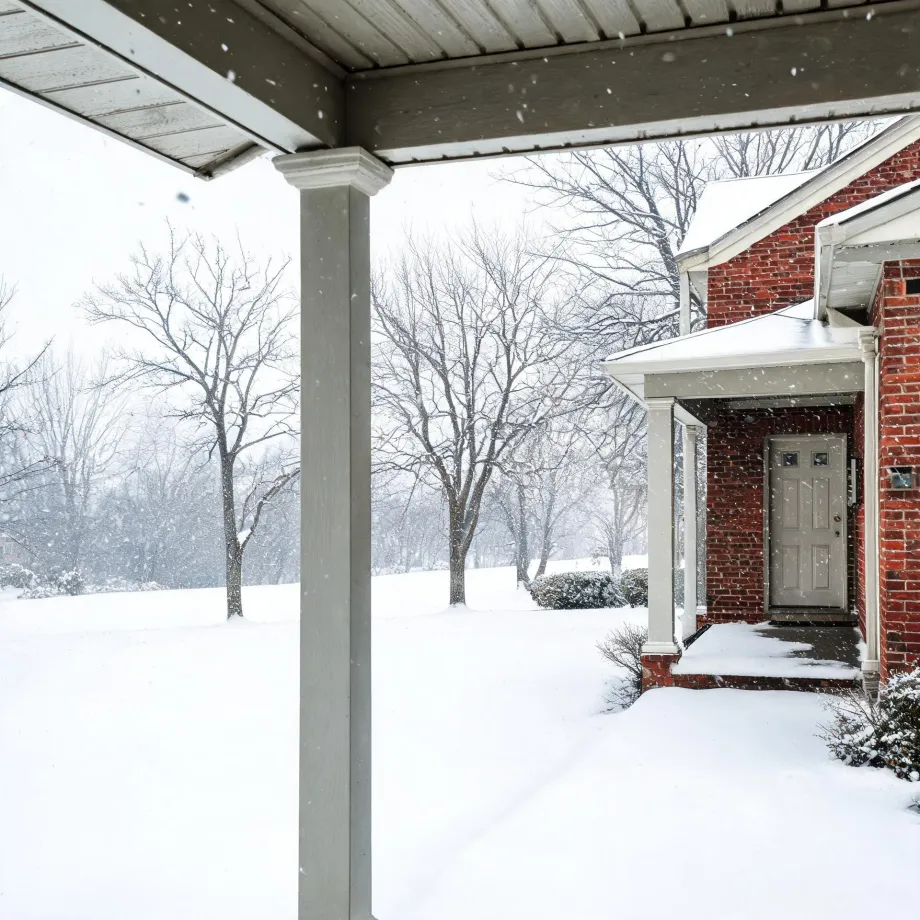
Extreme weather puts stress on water heaters, forcing them to work harder and wear faster than conditions in moderate climates demand. How often that pressure hits Cheshire County shapes what repair needs look like here and what a local contractor is likely to see.
247 severe weather events, 2015–2024. Source: NOAA National Centers for Environmental Information, Storm Events Database.