Tell us about the job
Takes about a minute. No obligation.
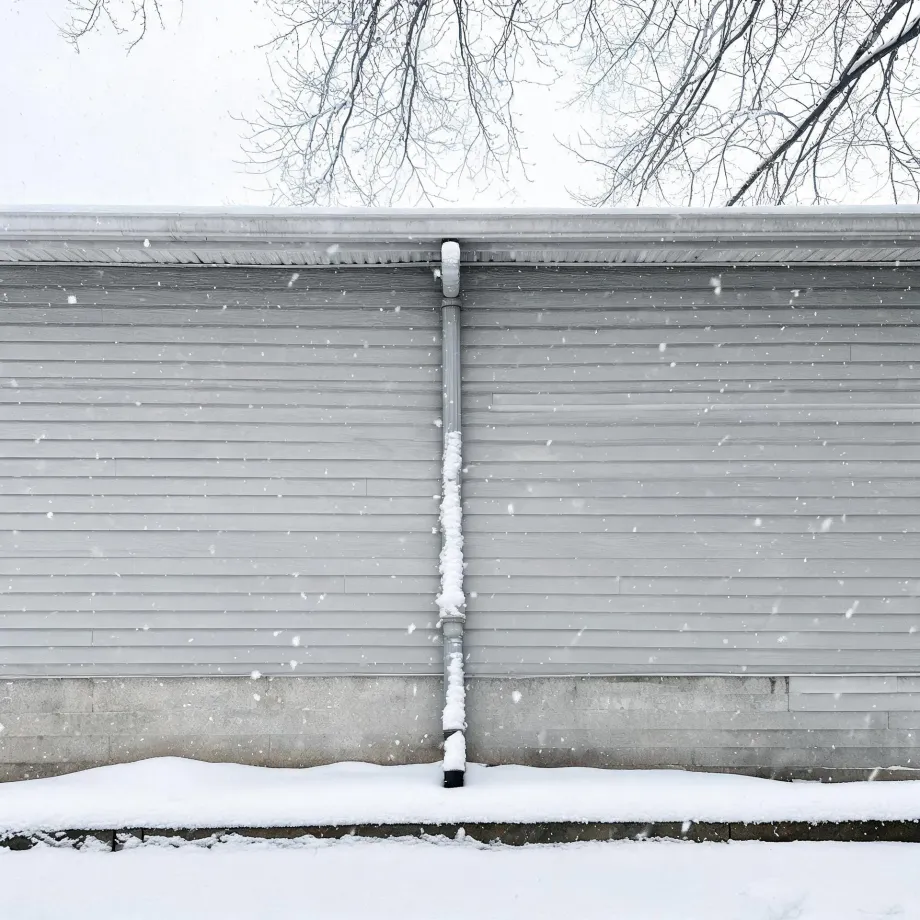
Fuel type decides more about a water heater installation than most homeowners expect. Fuel oil or kerosene heats more occupied homes in Cheshire County, New Hampshire than any other fuel, at 57.1% (2020-2024 ACS 5-year). A contractor quoting a replacement here has to confirm that the existing flue is rated for the burner going in, that combustion air supply meets code for the new unit's input rating, and that the venting path has no conflicts with other appliances drawing from the same chase. Get any of those wrong and the unit runs short of air or spills exhaust. That is why a site visit matters before a price does.
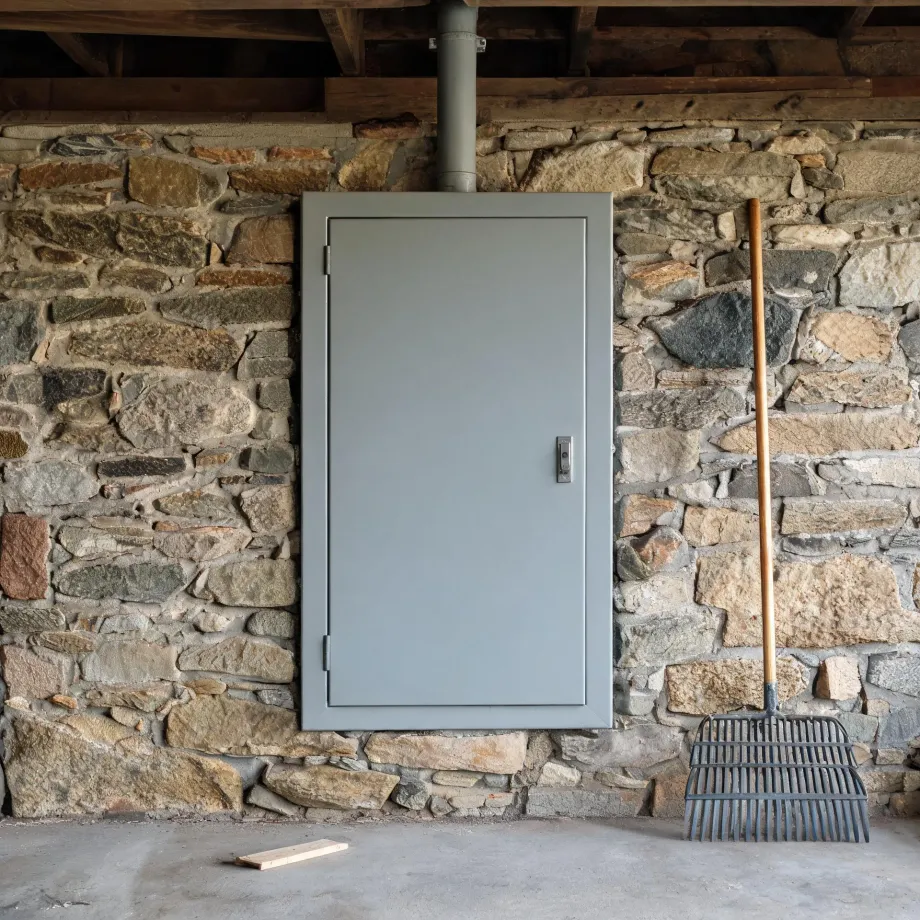
The electrical service panels in much of this county's housing were put in to carry loads that bear little resemblance to what a new water heater draws. Half the homes in Cheshire County, New Hampshire were built in 1972 or earlier (2020-2024 ACS 5-year). A contractor pricing a water heater installation here has to open the panel and account for available capacity before the equipment conversation begins. If the existing service cannot support the new unit without an upgrade, that work gets priced and scheduled first.
What a Water Heater Installation Covers
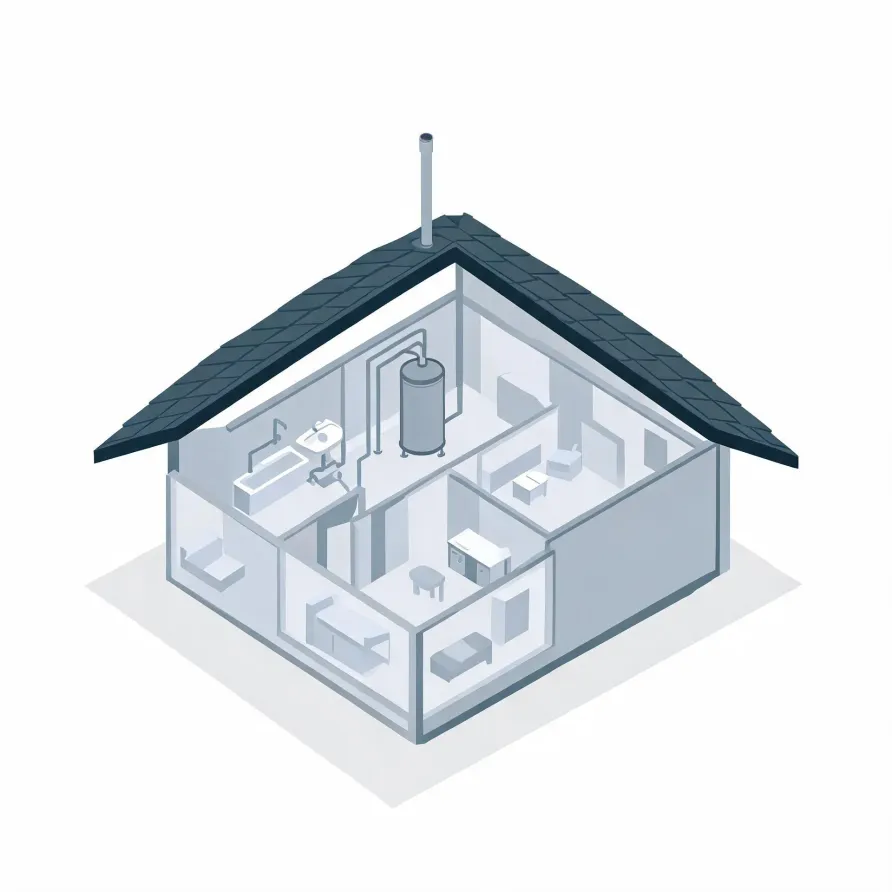
The tank or tankless unit is the heart of the system. A storage tank sits in a utility closet, basement, or garage and holds a ready supply of hot water. A tankless unit mounts to a wall and heats water only when a tap opens, taking up far less floor space.
A pressure relief valve fastens directly to the tank and releases pressure if it climbs too high. The cold supply line feeds water in, and the hot outlet line carries heated water to every fixture in the house. A drain valve at the tank's base lets a contractor flush sediment from the unit.
The drawing shows a typical layout, and a licensed contractor determines exactly what the work involves in your home.
Find a contractor in Cheshire CountyCheshire County, by the numbers
247 severe weather events were recorded in Cheshire County, New Hampshire between 2015 and 2024.
NOAA National Centers for Environmental Information, Storm Events Database, bulk CSV export, events 2015-01-01 through 2024-12-31.Half the homes in Cheshire County, New Hampshire were built in 1972 or earlier (2020-2024 ACS 5-year).
U.S. Census Bureau, 2020-2024 American Community Survey 5-Year EstimatesCheshire County, New Hampshire holds 35,899 housing units (2020-2024 ACS 5-year).
U.S. Census Bureau, 2020-2024 American Community Survey 5-Year EstimatesOwners occupy 72.7% of the occupied homes in Cheshire County, New Hampshire (2020-2024 ACS 5-year).
U.S. Census Bureau, 2020-2024 American Community Survey 5-Year EstimatesSevere Weather Events in Cheshire County
Extreme weather puts a direct load on water heating equipment, shortening service life and driving up energy use when a unit has to work harder to recover. How often that pressure hits is a local fact, and the data below reflects what Cheshire County has recorded.
247 severe weather events, 2015–2024. Source: NOAA National Centers for Environmental Information, Storm Events Database.