

Working the way it should
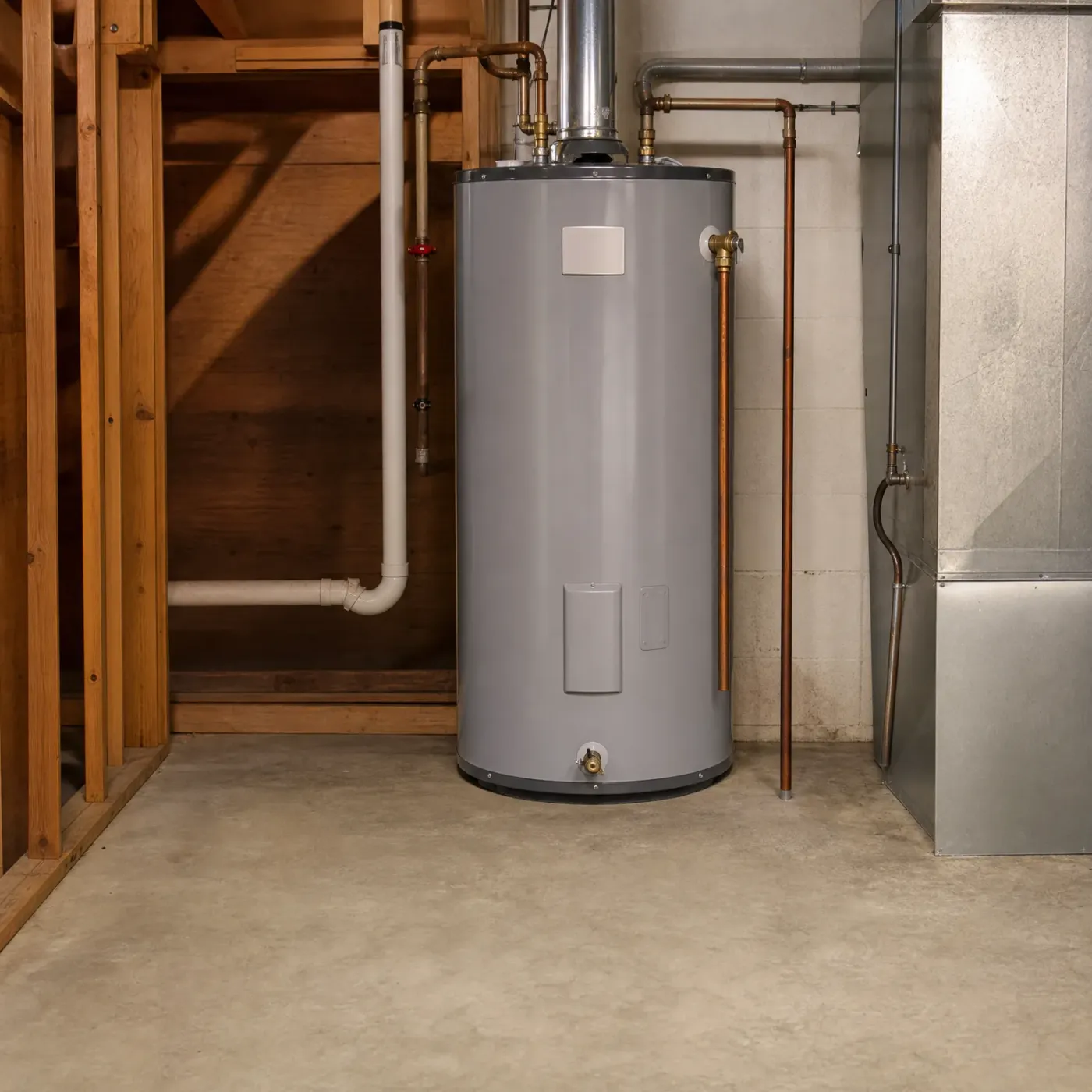
A water heater that's keeping up shows no rust on the tank, tight connections at the copper lines, and a steady recovery between uses. You can run a shower and still have enough left for the dishes.
Say what's going on with your water heater, and a pro who works on them reaches out.
Get matchedYou turn on the shower and ten minutes later the water's gone cold, or you're running the dishwasher and the sink at the same time and someone gets stuck with a lukewarm rinse. It wasn't always like this. You've started working around it, running things at different times, and you want to know if that's just how it is now or if something's actually wrong.
A tank heater holds a fixed amount of hot water, and once that's used up, you wait for it to recover. If recovery is taking longer than it used to, the heating element or the burner isn't working the way it should. Sediment settling at the bottom of the tank is often the cause. It builds a layer between the burner or the lower element and the water, so heat has to work through that layer first. Over time the tank holds less usable hot water and takes longer to catch up. In New Hampshire, winters put more demand on your water heater than mild weather does, so a tank that's losing capacity shows it first on a January morning, not in July.
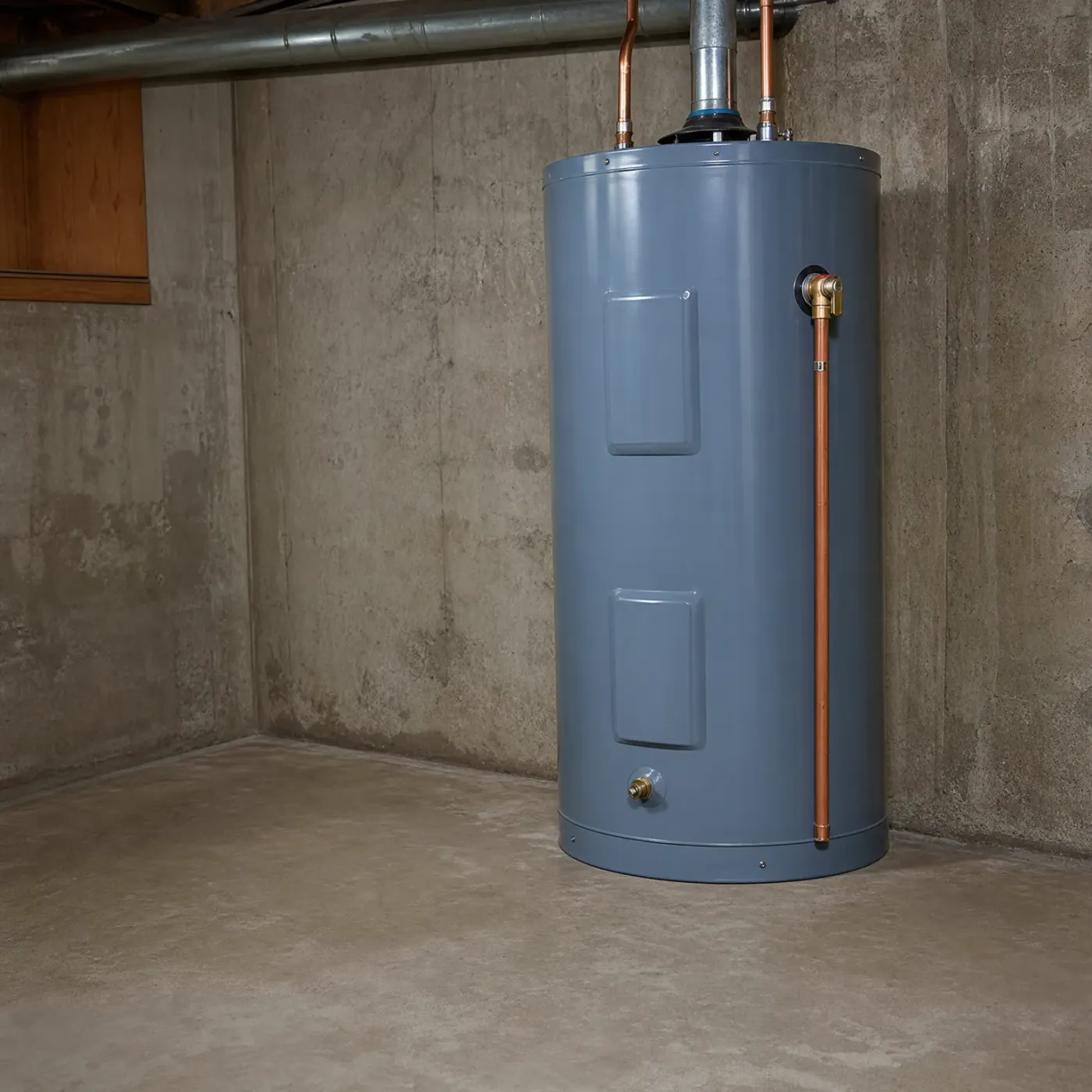
A water heater that's keeping up shows no rust on the tank, tight connections at the copper lines, and a steady recovery between uses. You can run a shower and still have enough left for the dishes.
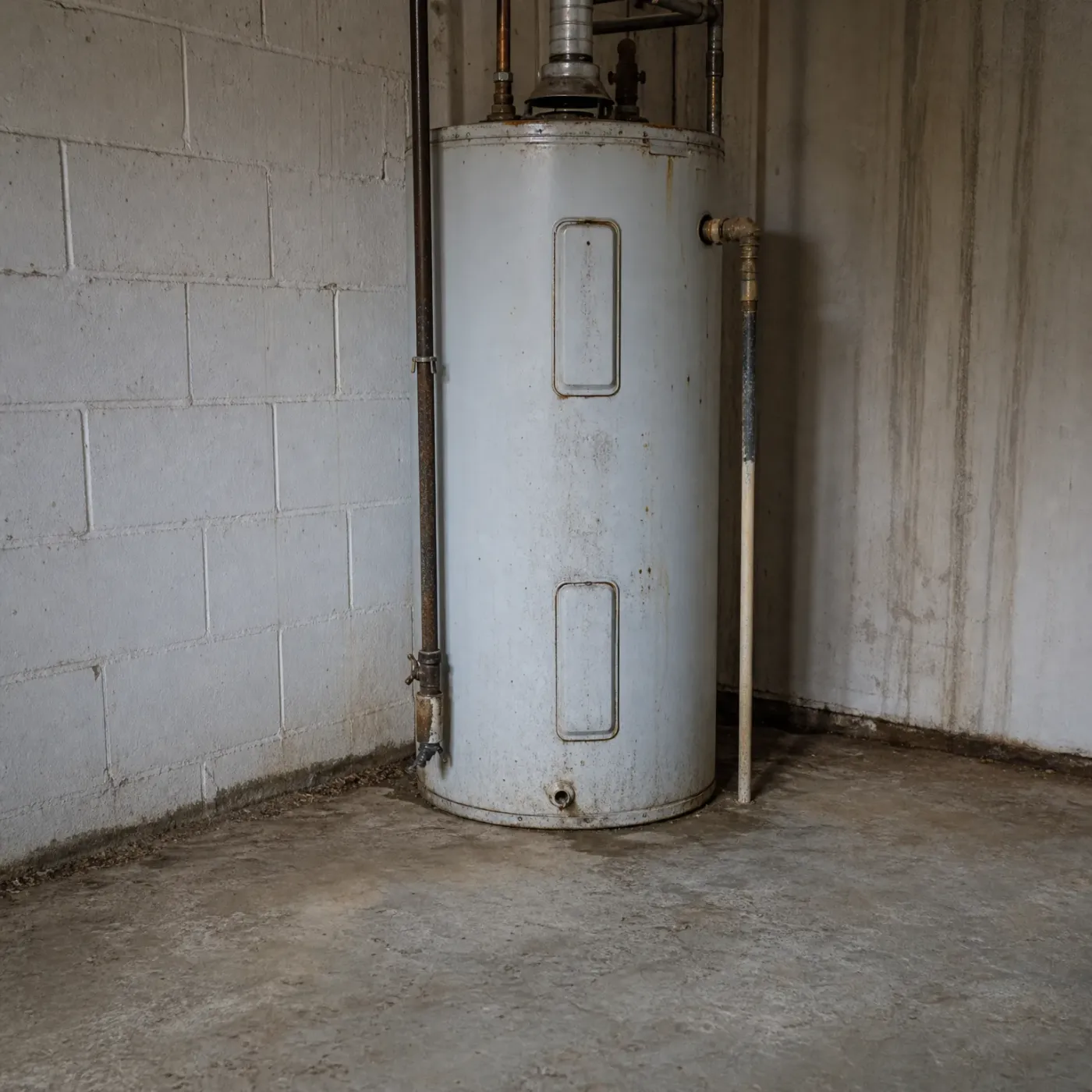
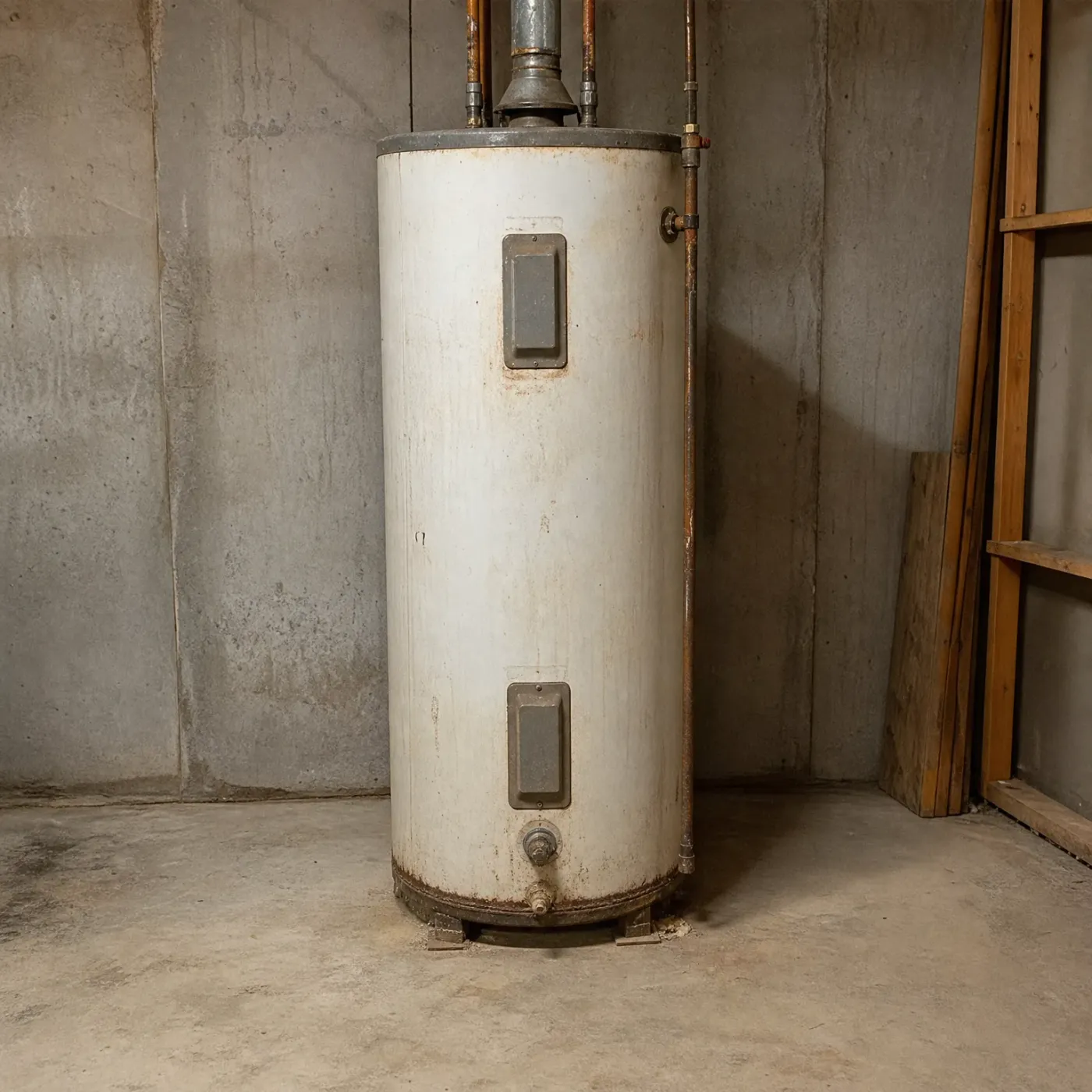
That orange crust on the tank means the steel underneath is thinning. Once corrosion sets in, the tank holds less usable heat and fails faster, often without much warning before it leaks.

In a New Hampshire winter, cold water coming into the tank starts out much colder than it would in a warmer state, so the heater works harder just to get it to a usable temperature before anyone turns on a faucet. If the tank is already struggling, that extra load is what pushes a shower from warm to lukewarm to cold faster than it used to. With oil heat running most of the year in most homes here and electricity rates among the highest in the country, a water heater that's losing efficiency doesn't fail quietly. It shows up on the bill right alongside everything else being asked of your furnace.
You already catch the small stuff before it turns into something bigger, which is why this matters now instead of later. Once you understand what's going on with your tank, the next step is getting a contractor who knows New Hampshire systems to look at it directly, rather than spending an evening calling around and repeating the same description of your water heater to every number you dial.

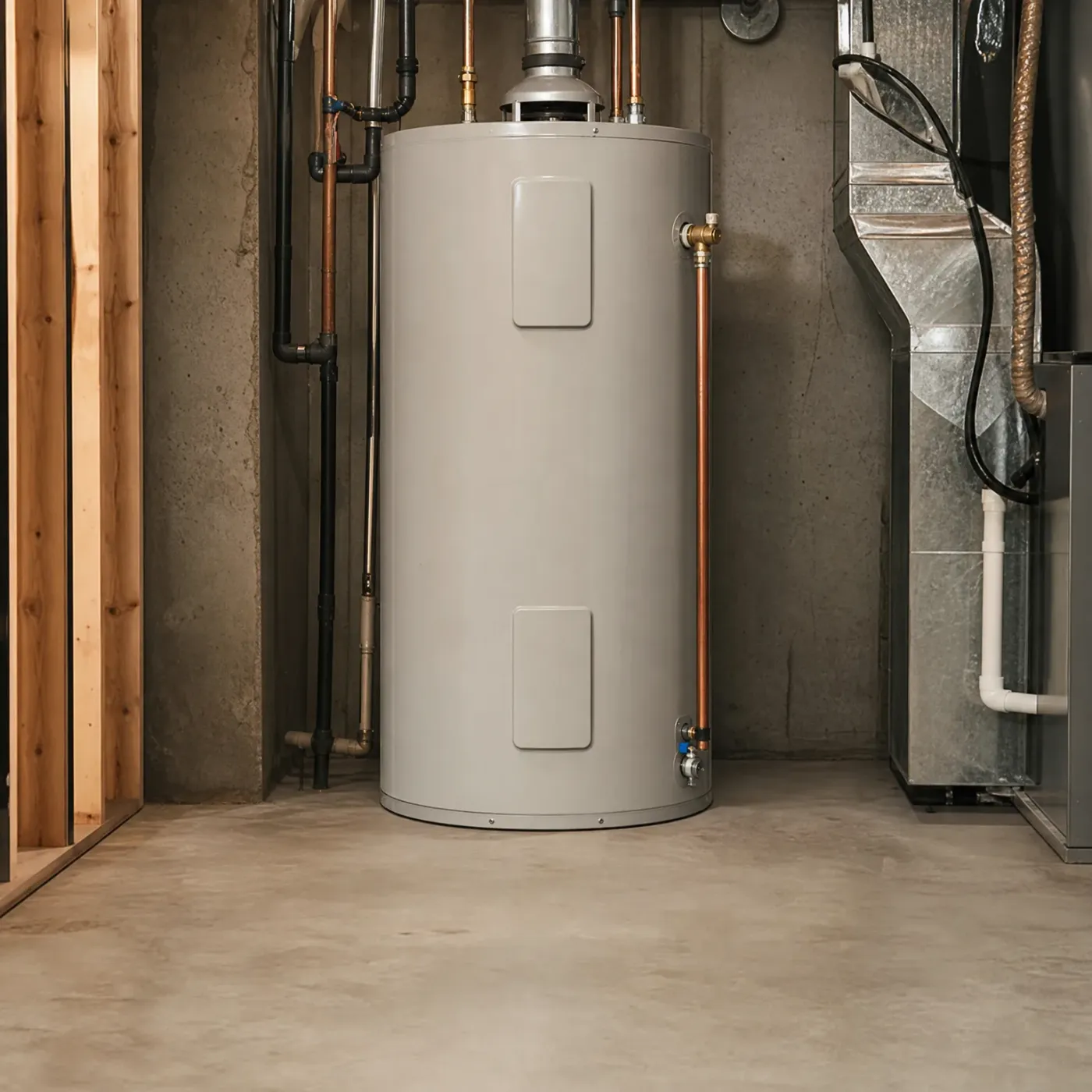
This is what a working setup looks like: the tank clean, the copper lines tight, a relief valve ready to do its job if pressure climbs. Next to the furnace, both systems doing their part. A tank like this recovers fast enough that you don't notice it working.
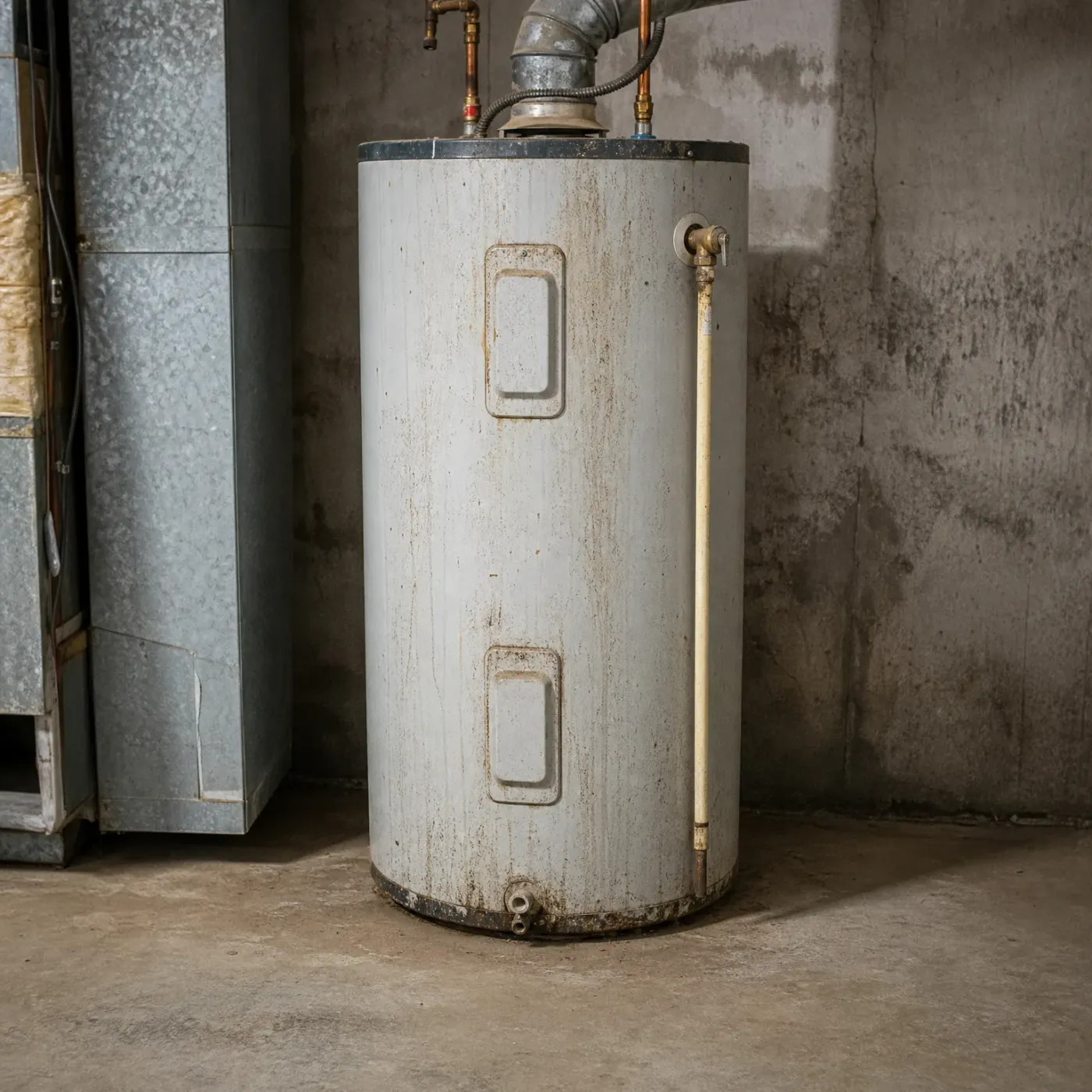
Rust like this on the tank and the fittings means the steel underneath is wearing through, not just the surface. A tank in this shape heats less water and takes longer to recover between uses. The relief valve and discharge pipe matter more here, not less, if pressure has nowhere else to go.




A water heater that's running short isn't going to fix itself, and with oil heating most of the houses here, the water heater is often the one appliance on electricity working hardest through a New Hampshire winter. Every degree it has to make up on its own costs something, and at what you pay for power in this state, a tank that's lost its edge adds up fast. You could spend an evening calling around, telling three different shops about the cold showers and the rust you noticed on the tank, then sitting on quotes that don't say the same thing twice. Or you could hand that off and let a contractor who works on these systems get in touch with you directly. The cold water isn't going away on its own, and neither is the bill from a tank working harder than it should. Sorting that out starts with one call you don't have to make yourself.
A tank heater keeps a full tank of water hot around the clock, and the amount that stays hot is fixed by the size of the tank, usually 40 or 50 gallons in a house. When you draw hot water, it leaves from the top of the tank while cold water enters at the bottom through a dip tube. The burner or heating element doesn't fire until the thermostat senses the temperature has dropped, which means there's a lag between when you start pulling hot water and when the heater starts replacing it. If the incoming water is already cold, as it is most of the year here, that lag matters more, because the heater has farther to climb before it catches up. A sediment layer at the bottom of the tank makes this worse. It sits between the burner and the water, so the heater is warming through a layer of grit before the water itself ever heats, and recovery slows down even though nothing else about the tank has changed.
A thermostat set correctly doesn't change how fast the burner or element has to run if the incoming water is colder than the heater was sized for. The gap between the two is what the equipment has to make up.
That gap is wider in New Hampshire than in most of the country, and electricity here costs more than most places to close it. A tank that's slipping shows it fastest on the power bill, not just in the shower.
Oil heats most houses here, so your furnace isn't competing with the water heater for the same fuel. But that also means the water heater is almost always running on electricity alone, in a state where electricity costs more than in most of the country. A tank that's struggling to recover isn't a small drag on your bill.
ACS 2020-2024 5-year B25040
Running out of hot water fast comes down to a short list of causes, and most of them show themselves before the tank fails completely. Cold water coming into the tank in a New Hampshire winter takes more heat to bring up to temperature than it would almost anywhere else, so a heater that used to keep up starts falling behind. The tank only holds so much, 40 or 50 gallons in most houses, and once that's used up you're waiting on recovery no matter what caused the shortfall. Since most houses here heat with oil, the water heater is usually running on electricity by itself, and New Hampshire's electric rates mean that recovery costs more than it would in a lot of other states. None of that explains away rust in the water, a cold patch on the tank's side, or a pilot or element that won't hold steady. Those are signs of a specific problem, not just cold weather catching up with an old unit. Telling the difference between a tank that's sized wrong for the season, one that's scaled up inside, and one with a failing element means looking at the tank itself. Catching it at that stage, while it's still a repair, costs less than waiting for the tank to go entirely and turn into a replacement.


Get the right pro for your water heater
One form replaces the calls you'd make to find a water heater pro.
