Tell us about the job
Takes about a minute. No obligation.
The fuel a home burns decides more than the monthly bill. Fuel oil or kerosene heats more occupied homes in Rockingham County, New Hampshire than any other fuel, at 42.2% (2020-2024 ACS 5-year). A contractor sizing a replacement water heater here has to confirm that the new unit is compatible with the existing venting and that combustion air supply meets code for the fuel type in use. Oil-fired and kerosene-fired equipment carries specific draft requirements, and a flue that worked with the old unit does not automatically work with a new one at a different input rating. Getting those details wrong forces a second visit and a second set of costs.
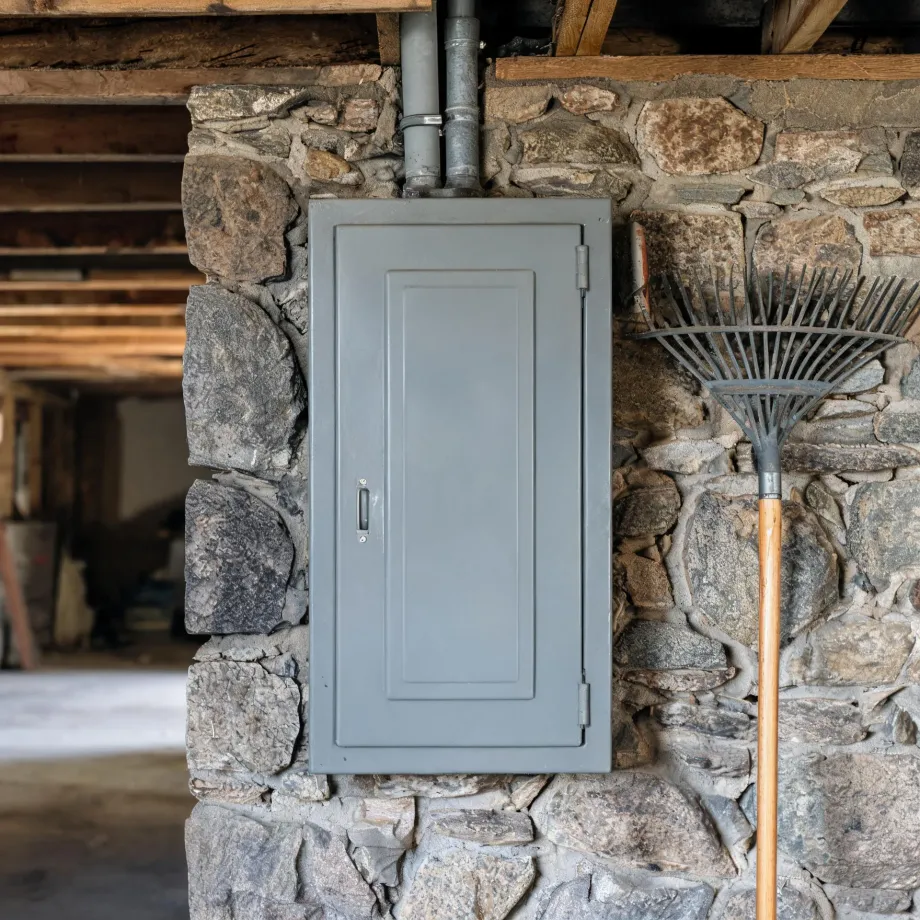
Older electrical service is the detail that reshapes a water heater installation in Rockingham County more often than the unit itself does. Half the homes in Rockingham County, New Hampshire were built in 1983 or earlier (2020-2024 ACS 5-year). Houses built in that era were wired around the loads of the equipment available then, and modern water heaters, particularly heat pump models, draw more than those panels were sized to supply. A contractor quoting the job prices the unit last. The electrical panel gets looked at first, because that is where the installation either fits or does not.
What a Water Heater Installation Covers
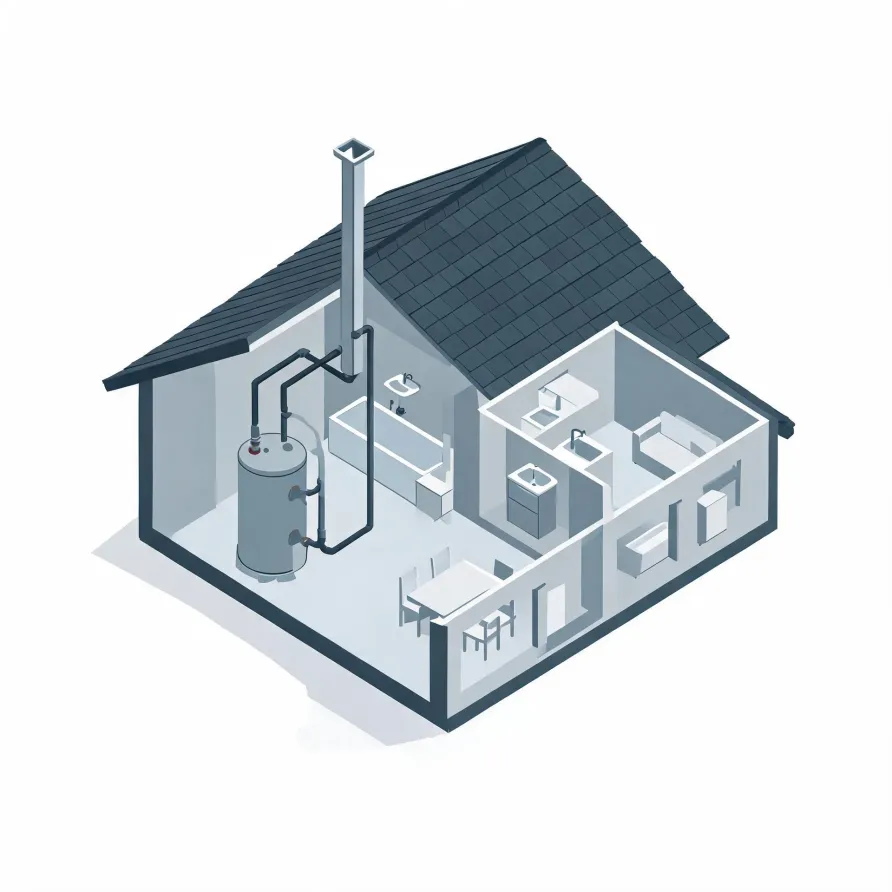
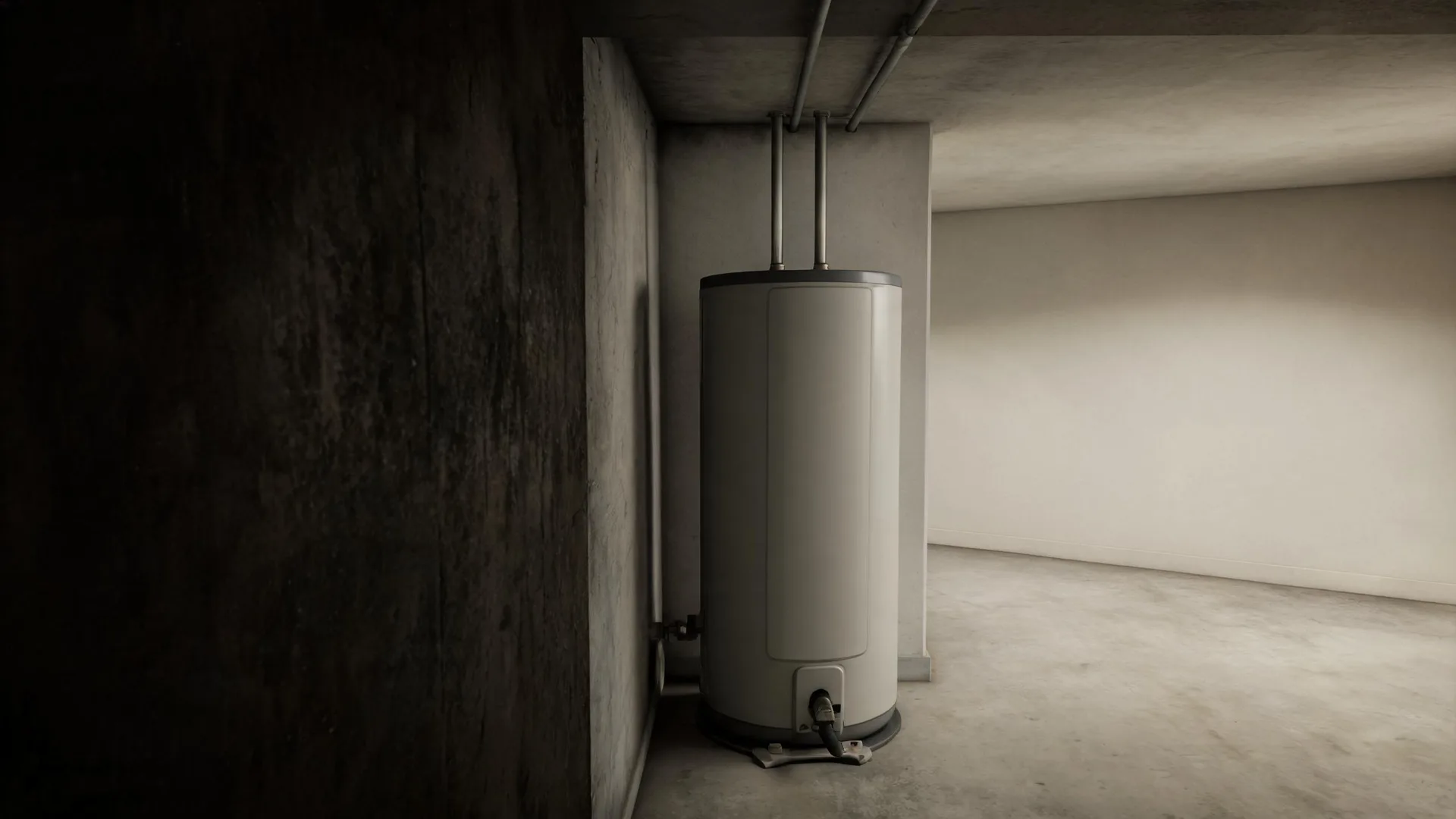
The tank or tankless unit is the heart of the system. A storage tank sits in a utility room, basement, or closet and holds a ready supply of hot water. A tankless unit mounts on a wall and heats water on demand as it passes through the unit.
A pressure relief valve attaches directly to the tank and releases pressure if it climbs too high. The cold water inlet and hot water outlet pipes connect the unit to the rest of the house supply, and a drain valve near the base of the tank gives a contractor access for service work.
The drawing shows a general layout of these components, and a licensed contractor determines exactly what applies to your home and its existing setup.
Find a contractor in Rockingham CountyRockingham County, by the numbers
200 severe weather events were recorded in Rockingham County, New Hampshire between 2015 and 2024.
NOAA National Centers for Environmental Information, Storm Events Database, bulk CSV export, events 2015-01-01 through 2024-12-31.Half the homes in Rockingham County, New Hampshire were built in 1983 or earlier (2020-2024 ACS 5-year).
U.S. Census Bureau, 2020-2024 American Community Survey 5-Year EstimatesRockingham County, New Hampshire holds 137,794 housing units (2020-2024 ACS 5-year).
U.S. Census Bureau, 2020-2024 American Community Survey 5-Year EstimatesOwners occupy 78.4% of the occupied homes in Rockingham County, New Hampshire (2020-2024 ACS 5-year).
U.S. Census Bureau, 2020-2024 American Community Survey 5-Year EstimatesSevere Weather Events in Rockingham County
Water heaters work harder when outdoor conditions swing hard, and Rockingham County's weather history shapes how much that equipment gets tested over time. A unit sized and installed for local conditions holds up better than one spec'd to a national average.
200 severe weather events, 2015–2024. Source: NOAA National Centers for Environmental Information, Storm Events Database.