Send one request and you're done looking
Tank or tankless water heater for a New Hampshire home
Tank or tankless comes down to how your home runs on oil heat and expensive power, and what your household actually uses hot water for. A tankless unit changes the electric load and the recovery time in ways that matter here. This page walks through what fits a New Hampshire home, and you can hand the decision to a local installer who deals with both kinds all year.
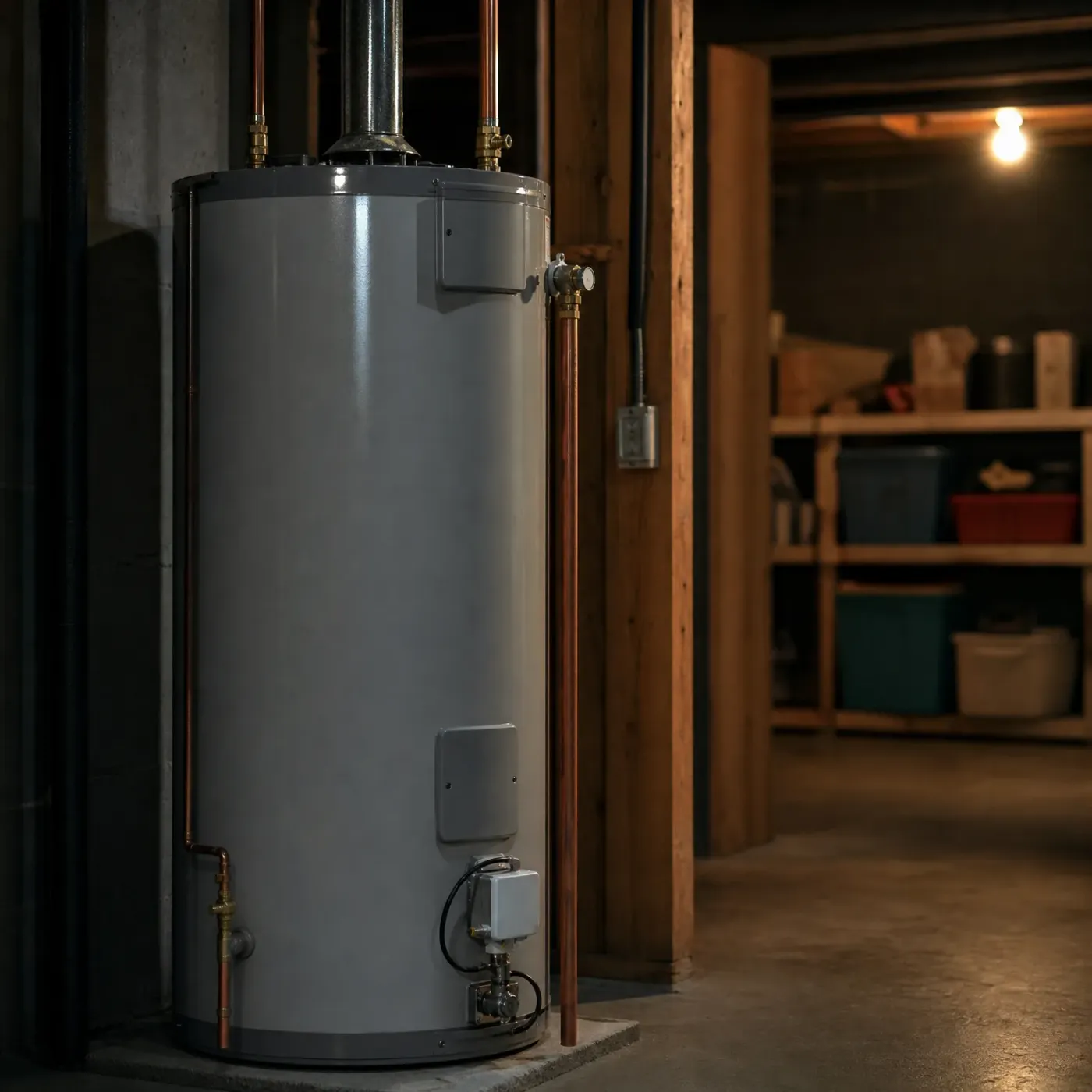
Hand it offMost New Hampshire homes do fine with a tank, and if your house heats with oil, a tank water heater likely runs on that same oil rather than electricity, which matters where power costs what it does here. A gas or oil-fired tank keeps a set amount of hot water ready and recovers steadily, so two showers back to back and a load of laundry running at the same time won't leave anyone standing in cold water. Tankless makes more sense if your water heater is electric, since it heats on demand instead of holding a tank at temperature around the clock, which can mean lower electric use over a year. The tradeoff is upfront cost and the gas or electrical capacity needed to supply it. If your household runs several hot water draws at once, tank or tankless, size the unit for that. The right call depends on what fuel your water heater uses now and how your home actually draws hot water at the same time.


Why does the hot water run out so fast?
If your household showers back to back on a cold morning and the last person gets lukewarm water, that's the tank telling you its recovery time can't keep up with how many people need it at once. You might also notice the water heater running longer between uses, or a pilot that won't stay lit if it's older. A tank that's struggling to recover works harder to reheat each batch, and on oil that shows up as more fuel burned for the same hot water. Left alone, a tank nearing the end of its life can start leaking at the bottom, which risks water damage to whatever room it sits in, often a basement with other things stored nearby.


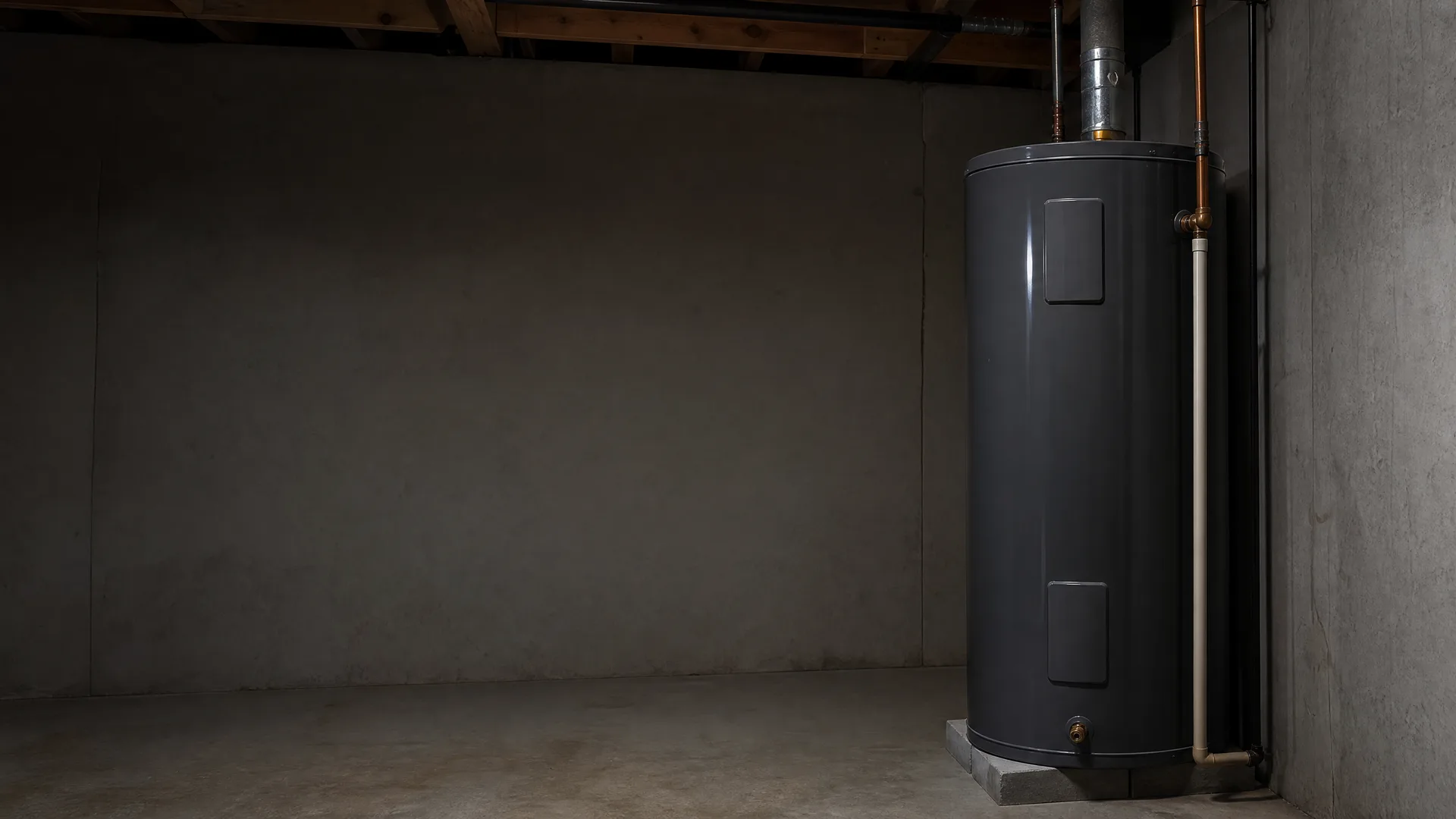
A tank water heater works like a kettle that never fully cools. A burner cycles on and off under forty to fifty gallons, holding that water at whatever temperature you've set it to. When you run a shower, hot water leaves the top of the tank and cold water refills the bottom, and the burner fires again to bring it back up to temperature. How fast that happens, the recovery time, comes down to the size of the burner. A bigger burner means less wait between showers.
A tankless unit skips the tank entirely. Water only heats when a tap or appliance calls for it, passing through a heat exchanger on its way to the faucet. Nothing sits around losing heat, but the tradeoff is that output has a ceiling. The unit can only heat water as fast as it flows through, and in January, when the water coming into your house is colder than it is in July, that unit has to work harder to deliver the same hot water at the tap. Most whole-house tankless units here run on electricity, which is worth knowing before you decide, given what power costs in New Hampshire.
How each type actually heats water
- An oil-fired tank keeps forty to fifty gallons hot by cycling a burner on and off to hold the set temperature.
- A tankless unit fires only when a tap opens, heating water as it passes through rather than storing any.
- Tankless units sized for whole-house use typically run on electricity here, which adds a steady draw to a bill that's already high.
- Recovery time on a tank depends on burner size, so a larger burner refills hot water faster after heavy use.
- A tankless unit has no tank to run out, but its output is capped by how fast it can heat water flowing through it.
- Cold snaps that drop incoming water temperature make a tankless unit work harder to reach the same output at the tap.




Finding a pro stops being your job
Your request stays with one local pro.
Send the form and the search for an installer is over.
It costs nothing to send, and you don't have to hire anyone.
Tank or Tankless for Your Home
Tank
- If your home heats with oil, an oil-fired tank can run on that same fuel line instead of pulling from the electric panel.
- Forty to fifty gallons sit ready at the set temperature, so two showers back to back usually isn't a problem.
- A full house or a tub that fills fast will drain the tank's reserve, and the next person waits on recovery.
- Installation swaps into the same spot and the same fuel connection most of the time, which keeps the work simpler.
- A larger household that runs the dishwasher, a load of laundry, and a shower at once will test what the tank holds.
Tankless
- It heats water only when a tap is open, so there's no standing reserve burning oil or power while nobody's using it.
- A sized-right unit doesn't run out, since it's not drawing down a tank, it's heating what's passing through right now.
- Electric tankless units pull a heavy load the moment they fire, and power here costs more than it does almost anywhere else.
- Gas or oil-fired tankless units sidestep that electric draw but need venting and a fuel line sized for the unit.
- Two fixtures running hot water at the same time can ask more of a tankless unit than it was sized to deliver.
How a tankless unit draws power
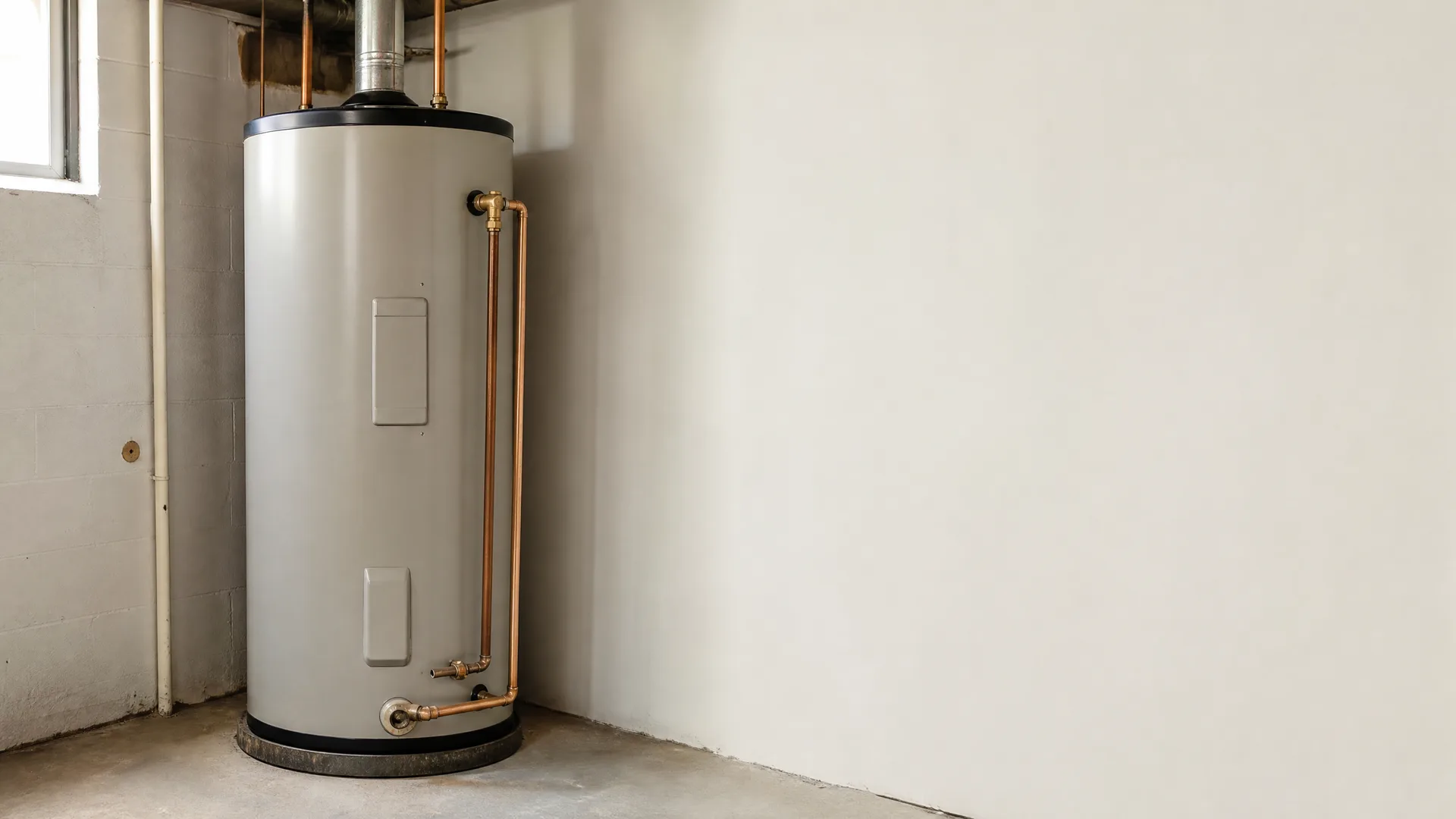
An electric tankless water heater pulls a heavy electric load the moment a tap opens, often enough to need its own dedicated circuit and sometimes an upgraded electric panel. That draw happens every time hot water runs, not just at startup. Where power costs what it does in New Hampshire, that load shows up on the bill in a way a gas or oil-fired tank's small igniter and control board never will. A gas or oil-fired tankless unit avoids that electric draw, but it still needs venting built for its exhaust.
What recovery time actually limits
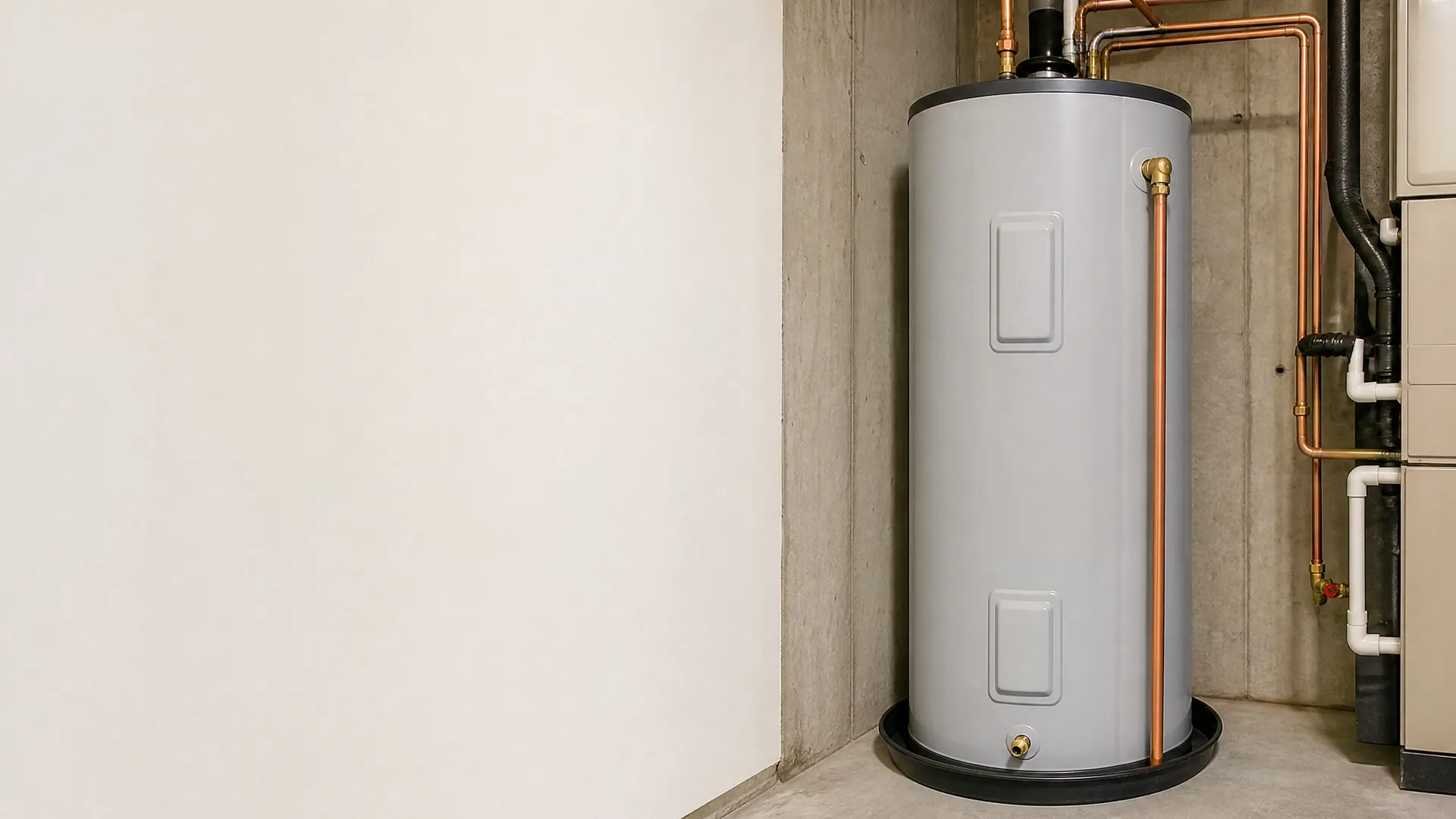
Recovery time is how fast a tank reheats the water behind the gallons you just used. A larger burner recovers faster, but it's still bound by the size of the tank sitting behind it. Tankless has no tank to run out of, so recovery time stops being the limit. Instead, the limit becomes flow rate, how many gallons per minute the unit can heat at once. Run a shower and a washing machine together on a cold New Hampshire morning, and flow rate decides whether both get enough hot water.
39.5% of homes statewide heat with fuel oil
Four in ten homes in the state run on oil heat, and yours may be one of them. If so, an oil-fired tank water heater can share that same fuel line, so your hot water doesn't add to the electric bill you're already paying to heat and light the house.
ACS 2020-2024 5-year B25040
Which One Fits Your House
- If your house heats with oil, an oil-fired tank water heater is usually the simpler, cheaper-to-run choice given what power costs here.
- A tankless unit makes sense mainly when oil isn't an option or your household's hot water use outpaces what a tank can recover.
- Either way, a local, licensed installer who works on New England water heaters every season knows which brands and sizes hold up here.
- A proper electric tankless install often means panel and circuit work, which is its own job worth getting right the first time.
- Sending the request connects you with one contractor who already knows this equipment, not a string of calls to sort through.
- Once you know which type fits your home, the harder part is finding someone who installs it right.
If your house runs on oil heat, a tank water heater sharing that same fuel line is the choice that keeps your electric bill from carrying more than it already does. Tankless earns its place when oil isn't an option, or when the household has outgrown what forty to fifty gallons can recover between showers. Neither answer is complicated once you know how your home is set up and how your family actually uses hot water through the day.
What's harder to sort out on your own is who installs it. A tankless unit, especially an electric one, often means panel and circuit work alongside the water heater itself, and that's not a job to hand to someone who only does this occasionally. A tank swap has its own details, venting and fuel line among them, that matter more in a New Hampshire winter than they would somewhere milder. An installer who works on these systems every season here has already seen what fails in oil-fired tanks and what trips up a tankless install in a cold climate, and sizes the job accordingly.
Sending the request puts you in touch with one such contractor, local and licensed, not a handful of companies competing for your callback. You've already got the answer for your house. What's left is getting it installed by someone who knows this equipment and this climate, and that's the part the form takes off your plate.
Let someone else find the pro
Your request goes to one pro, not a list of companies.