

Signs your water heater needs replacing in New Hampshire

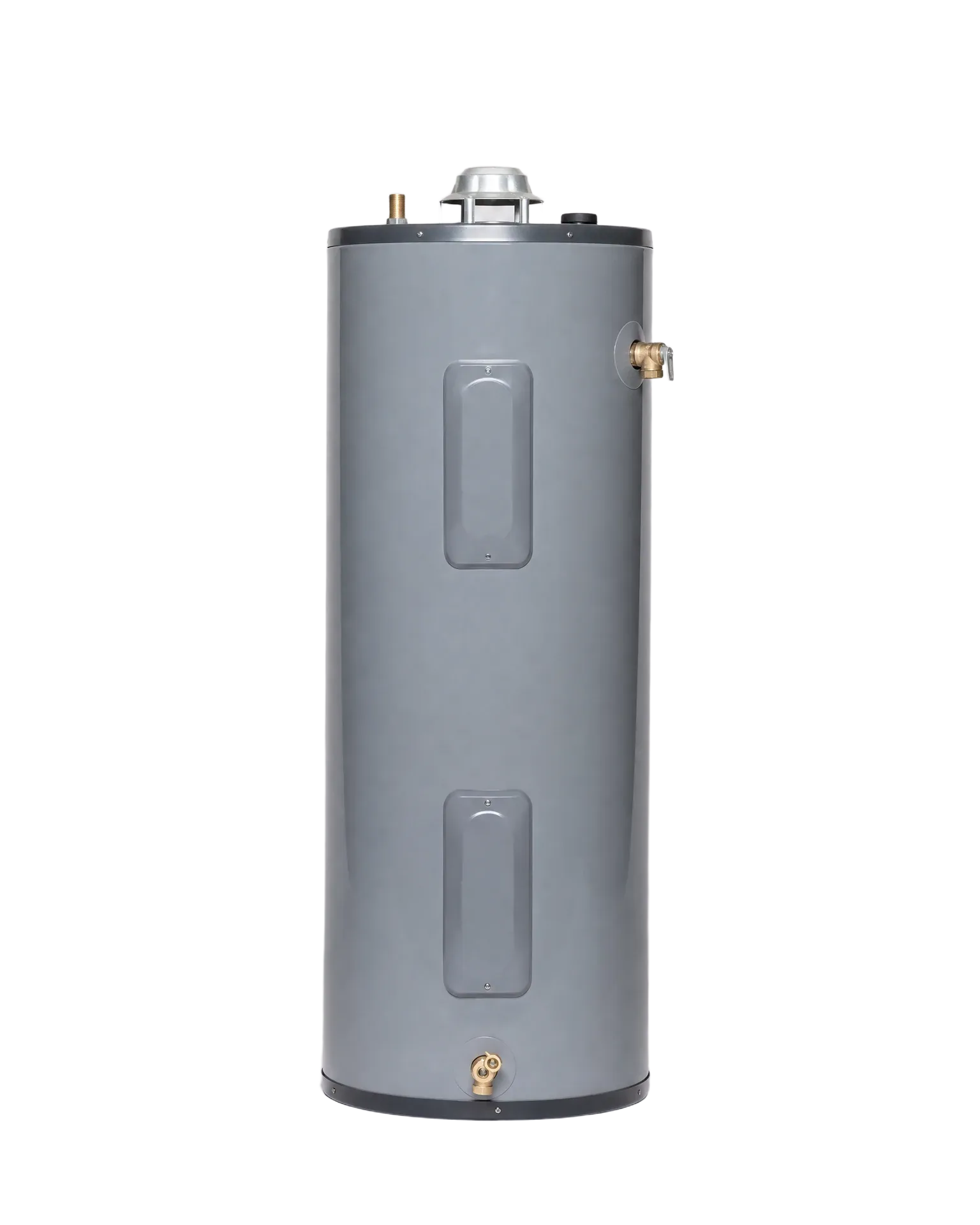
A gray cylindrical water heater with two access panels, a brass side valve, a bottom drain valve, and a metal vent cap on top, photographed against a plain light background.
Hand off my installation

Rusty water, a tank that's leaking, or hot water that runs out fast are the clearest signs it's time to replace it. Most tanks last 8 to 12 years, and once one starts going, it tends to go quickly: a small leak at the bottom means the tank itself is corroding from the inside, and that doesn't get better. Water that comes out rusty or smells off is another sign, especially if it happens even after you run the tap a while. A popping or rumbling sound means sediment has built up on the bottom of the tank, and it means the heater is working harder to do the same job. If yours is electric and New Hampshire's power rates have you watching the bill, a tank that's losing efficiency costs more every month it keeps running. Once a tank is actually failing, waiting on it usually means a flooded utility closet or basement, not a slow decline. If your water heater is showing more than one of these signs, it's worth having someone look at it before it fails on its own schedule instead of yours.


A gray-haired man with a beard in a blue button-placket shirt reclines on a couch with his eyes closed, beside a sunlit window with a green plant.
A woman in a cream knit sweater sits in an armchair with her eyes closed near a window showing yellow autumn foliage, with a mug on a round wooden side table beside her.

New Hampshire water tends to leave sediment behind, and that sediment settles to the bottom of the tank where the burner or heating element sits. Once it hardens, you'll hear it: a rumbling or popping noise every time the heater fires. That layer gets between the heat and the water, so the tank runs longer and harder just to keep up, which shows up as a slower recovery time and a higher bill. Rust tells its own story. If hot water smells metallic or looks tinted while the cold tap runs clear, the corrosion is inside the tank wall itself, not in a fitting that can be swapped out. A glass-lined steel tank doesn't get patched once it's rusting from within. Water pooling at the base, even just a damp spot, is usually a hairline crack working its way through from the inside. And if a gas unit keeps short-cycling, or an electric one keeps tripping the breaker, that's often a thermostat or element on its way out, on a tank old enough that fixing it isn't worth doing twice.
What's Actually Happening Inside the Tank

  • A rumbling or popping sound when the burner or heating element kicks on means sediment has built up and hardened on the bottom of the tank.
  • That layer of sediment sits between the heat source and the water, so the tank works harder and takes longer to recover between uses.
  • Water that smells metallic or looks faintly rusty coming only from the hot tap, not the cold, points to corrosion starting inside the tank wall.
  • Once rust reaches the tank itself rather than just the fittings, no part swap fixes it, because the tank is a sealed, glass-lined shell.
  • A pool of water at the base, even a small one, usually means a hairline crack has formed as the steel fatigues from the inside out.
  • Gas water heaters that short-cycle or electric ones that trip the breaker often have a failing thermostat or element, not a problem worth repairing on an old tank.
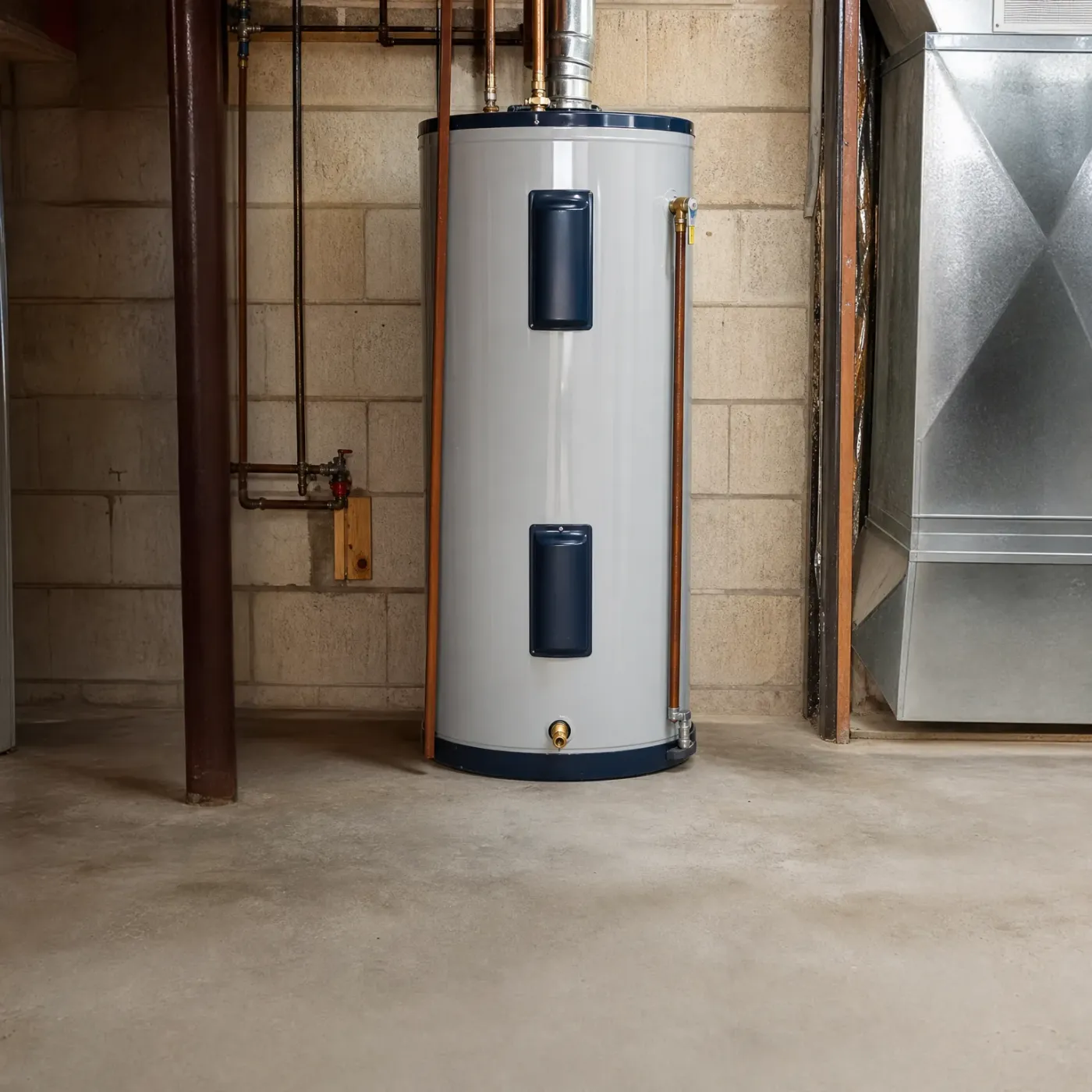
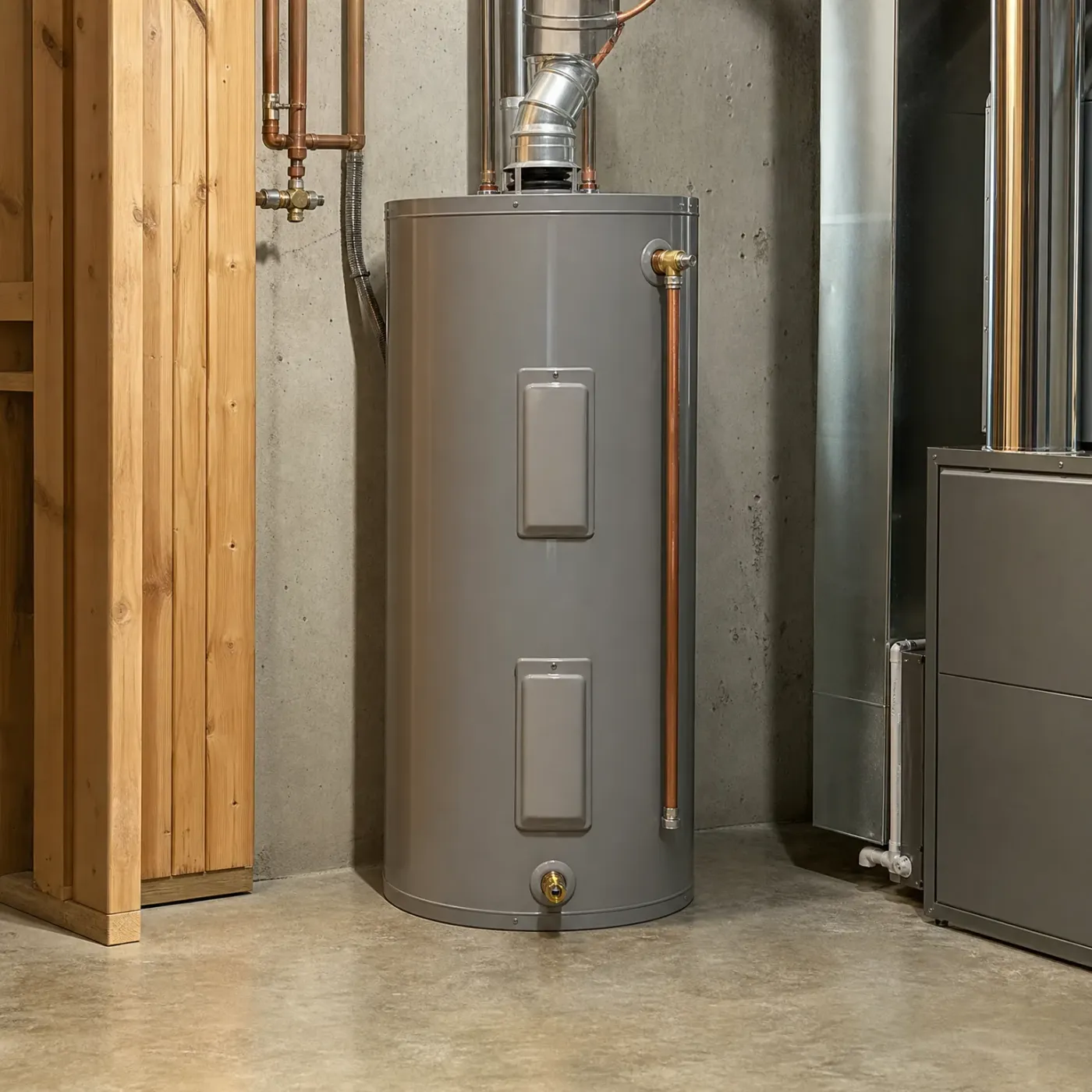
A gray cylindrical water heater with two access panels and copper piping stands against a concrete wall in a basement, beside wood framing and metal ductwork.
A water heater that still holds its temperature and shows no rust at the fittings has years left in it.
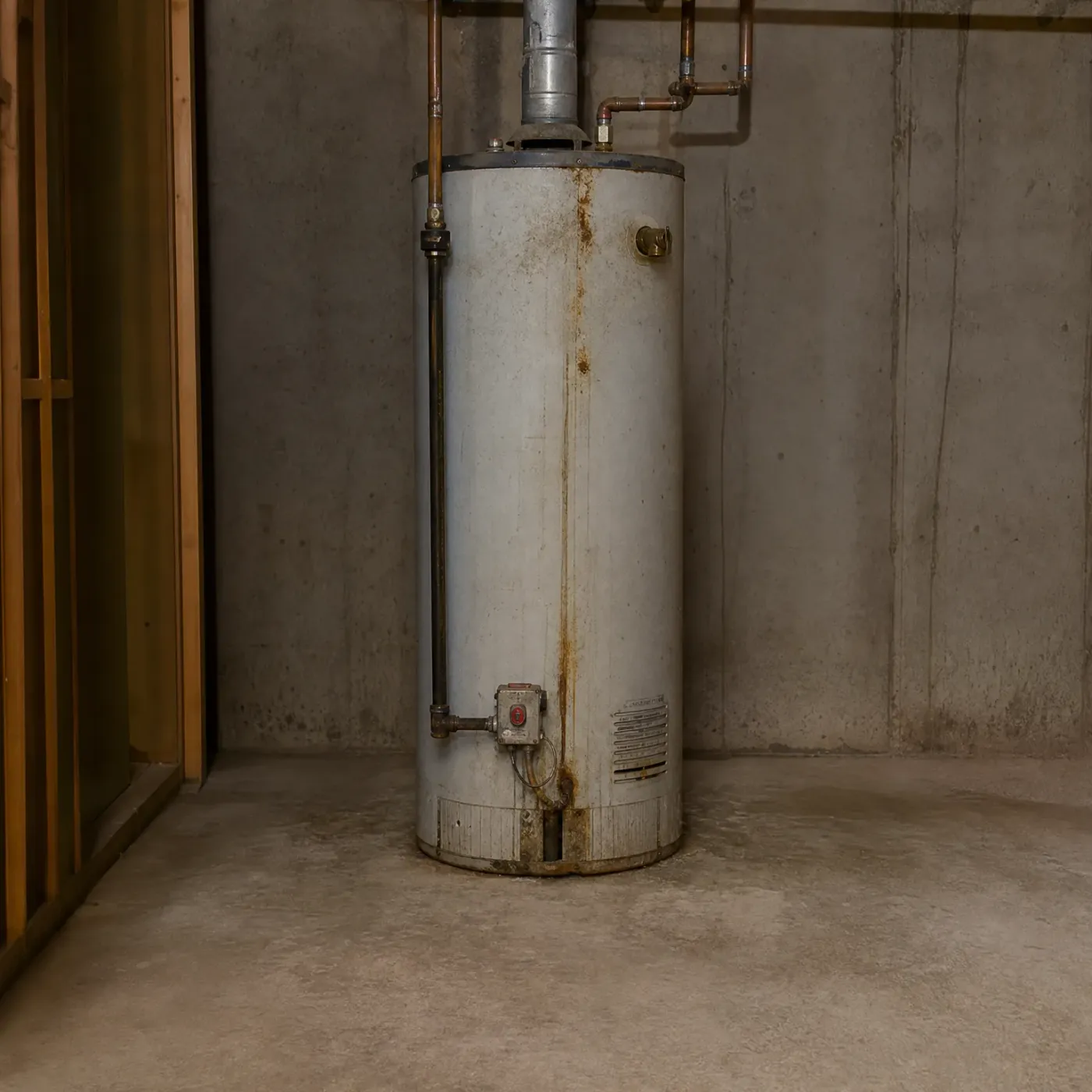
An aging rust-streaked gas water heater with copper and galvanized pipes stands against a bare concrete basement wall beside wooden stud framing.
Rust creeping down the tank wall or around the gas valve means the steel underneath is already thinning.

What This Means For Your House

  • A tank past 10 years old paired with a spike in your oil or electric bill points to a heating element losing efficiency as it fails.
  • Water that takes noticeably longer to heat back up after a shower means the tank can no longer recover fast enough to keep up.
  • A pilot light or electric ignition that won't stay lit, or trips repeatedly, often signals a failing component not worth repairing on an older unit.
  • Any sign of water pooling at the base, even a small damp spot, means a New Hampshire basement or utility closet is at risk of real water damage.
  • If your water heater is original to the house, its age alone is a reason to have it checked before a cold snap forces the issue.
  • A tank that needs a second repair call within a year usually costs more to keep patching than to replace outright.

Power in New Hampshire isn't cheap, and a water heater that's starting to fail shows up on your bill before it shows up as a leak. If yours is heating with electricity and running longer to do the same job, that cost compounds every month until it's replaced. A failing unit also tends to pick its moment poorly. A pilot that won't hold or an element that's quitting is more likely to leave you without hot water in January than in July, and a cold snap is not when you want to be searching for a plumber. If your water heater came with the house, you likely don't know its full history, which is reason enough to get it looked at before winter rather than after it fails. Water damage matters more here too. A basement or utility closet that sits unheated or unfinished for part of the year won't dry out a leak quickly, so even a small puddle at the base can sit and do damage before anyone notices. And once a tank needs a second service call in the same year, you're paying for parts and labor on a unit that's still going to fail again. At that point the repairs are just delaying the one thing you're going to need anyway, and you're paying twice for the privilege of waiting.


A man in a blue sweatshirt reclines with closed eyes in a brown leather armchair in a living room with a bookshelf, houseplant, sofa, window, and a side table holding newspapers and a dark mug.
A bearded man in a gray pullover reclines with closed eyes on a brown leather sofa in a sunlit room with a window, framed picture, potted plant, and a wooden cabinet holding papers and a dark mug.
A man in a gray sweater leans back with closed eyes in a brown leather armchair beside a wooden side table holding a dark mug and a folded newspaper, with bookshelves and a window seat behind him.
A man in a green sweater reclines in an armchair with his eyes closed and a slight smile, beside a window with plants, a small table holding a mug and folded newspaper, and bookshelves behind him.

Done looking for a water heater pro

Skip the round of in-home estimates for a new water heater.

You only hire the pro if you want to.

  1. Sediment settles and hardens on the tank bottom over years of use

  2. The heating element or burner has to push harder through that layer

  3. Steel under the glass lining starts to thin and rust from the inside

  4. A pinhole leak forms at the seam or fitting and water starts seeping out
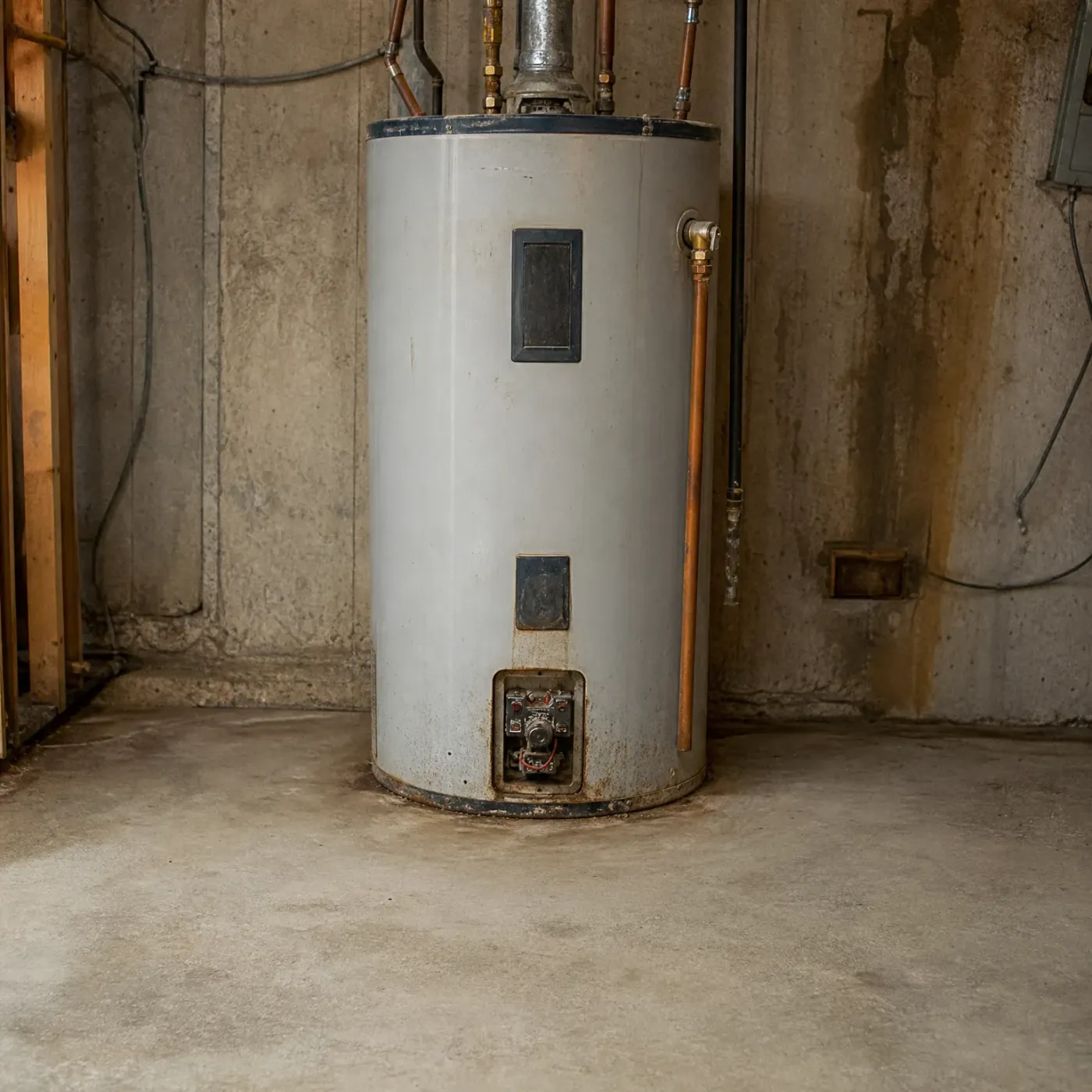
A white cylindrical water heater with copper piping and a gas control valve stands against a stained concrete basement wall on a bare concrete floor.
Before you get your water heater installation
A white cylindrical water heater with two dark access panels stands on a concrete basement floor against a concrete block wall, with copper pipes, a flue duct above, and sheet metal ductwork at right.
After you get your water heater installation

8 to 12 years

That is the typical working life of a tank. Past that range, a failure is more a matter of when than if, and winter is the worst time to find out.

Skip calling around

One burst tank, one flooded basement

A tank that fails doesn't always leak slow. Replacing it ahead of time means skipping the calls, the water damage, and the scramble to find someone who can come out fast.

Skip calling around

39.5% of homes statewide heat with fuel oil

With oil heating more homes here than anything else, your water heater is probably a separate unit from your furnace, working on its own schedule. That means its age tracks its own wear, not your heating system's, so check the tank itself rather than guessing by how old the house is.

ACS 2020-2024 5-year B25040
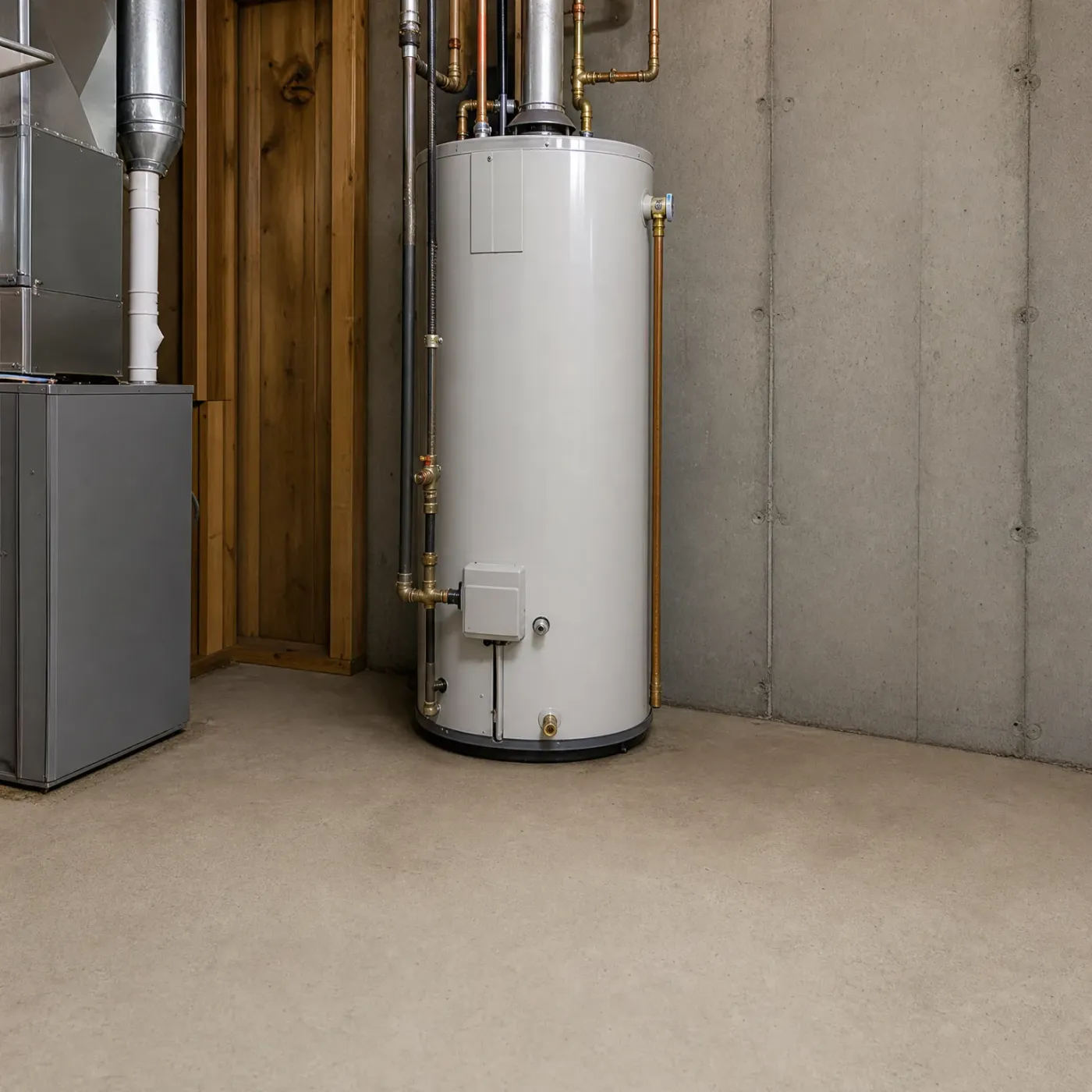
A white cylindrical gas water heater with copper and steel pipes stands against a concrete basement wall beside a gray furnace and wood-paneled wall.

Working as it should

A gas water heater like this one heats on demand and sends hot water up through copper lines without issue. No rust at the fittings, no noise from the burner, steady recovery time. A tank running clean like this still has years ahead of it.
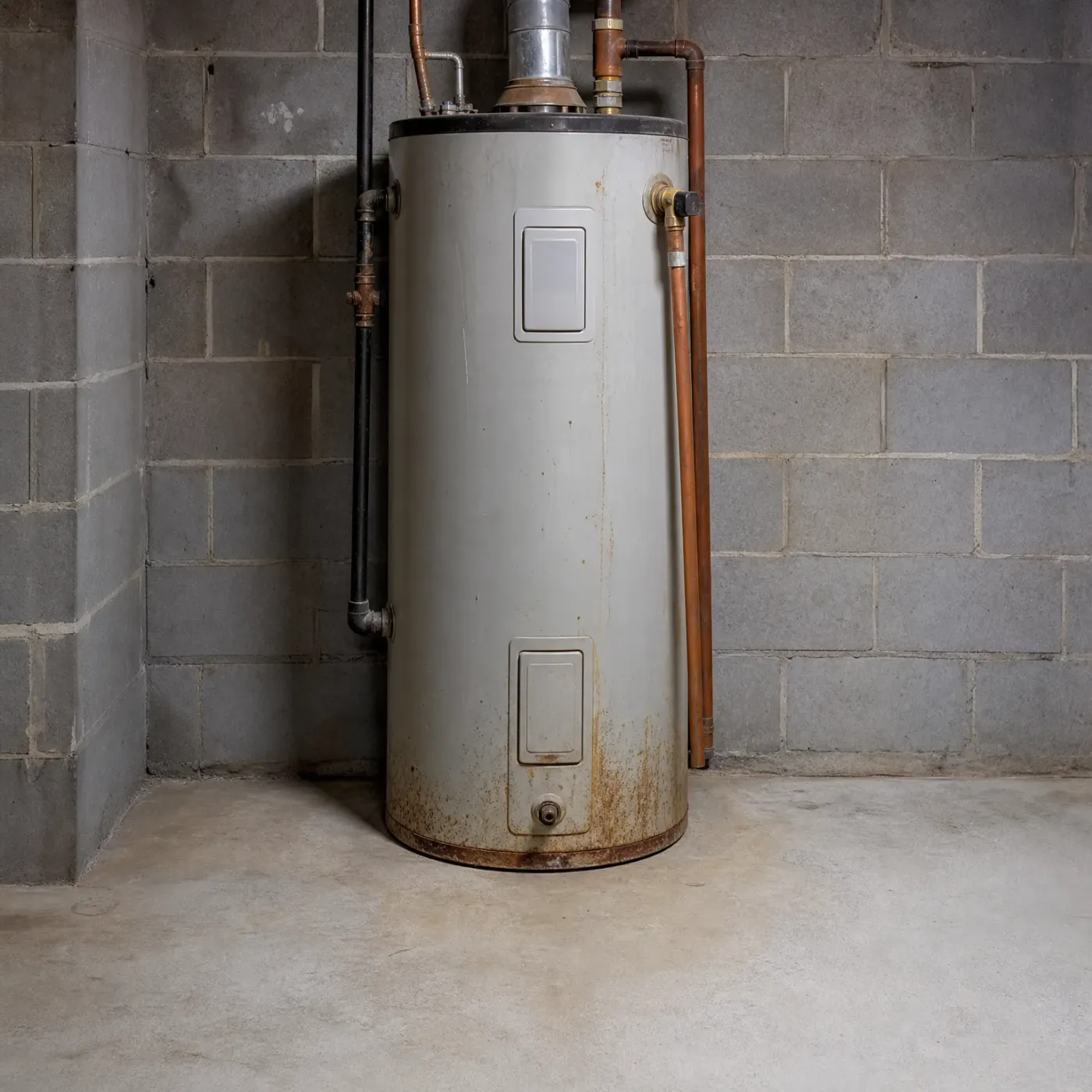
A rust-streaked cylindrical water heater with copper and black metal pipes stands in a concrete-block basement corner on a bare concrete floor.

Failing at the seams

Rust along the base and seams like this means the steel is thinning from the inside out. Once corrosion reaches the outer shell, a leak isn't far behind. A tank in this shape is closer to a flooded basement than another winter of service.

A closed silver laptop and a ceramic mug of dark coffee sit on a wooden table in front of two chair backs, with a kitchen counter, tiled backsplash, wooden cutting boards, a vase of greenery and a potted plant by a window behind.

If your water heater is showing these signs, it's time

Rust at the fittings, slow recovery, a tank past 10 or 12 years old, noise from the bottom of the tank. Any one of these means the tank is on its way out, and once it starts, it doesn't slow down. The question isn't whether to replace it. It's whether you do it now, on your schedule, or in a few months when it fails on its own.

Finding a licensed installer in New Hampshire doesn't have to be the hard part. You could spend an evening searching, calling a few numbers, explaining the same leak or the same noise three or four times, then sitting with quotes trying to tell them apart. Send the form once and that work is off your plate. Someone qualified gets the details and takes it from there.


A gray upholstered sofa with a matching cushion sits beside a potted plant and a wooden table holding a small green plant in a stone pot, near a curtained window.
A single-story stucco house at dusk with a lit paver walkway lined by low path lights, desert plants and boulders in front, and distant mountains under an orange and blue sky.

Water Heater Installation

Stop chasing a water heater pro

Step 1 of 3: Equipment
  • A brown leather and wood armchair with a cream knit throw sits in a corner beside a woven basket holding a dark cushion, under a framed mountain photograph, with a wood-trimmed window showing yellow and green foliage.
    • Get in touch with a local installer about a new water heater.
    • A local installer who puts in water heaters gets your project.
  • A dark wood dresser against a pale wall holds a ceramic vase of eucalyptus branches, a stack of books with a wooden bowl, and a woven basket, with a framed landscape painting above and a woven basket holding a knit blanket on the floor beside a window.
    • Send the form and the search for an installer is over.
    • Send the request and finding a pro stops being your problem.
  • A window seat with beige linen and brown textured cushions, a chunky knit blanket, and an open book, beside a window showing blurred yellow autumn foliage.
    • Skip collecting and comparing quotes for the new water heater.
    • Fill out one short form instead of calling around.
  • A cream upholstered armchair with a rust-colored pillow and knit fringed throw sits beside a window with a ceramic vase of orange-leafed branches on the sill, overlooking autumn trees and leaf-covered ground.
    • Your request stays with one local pro.
    • Your request goes to one pro, not a list of companies.